
Blog
Some periodic writings about wildlife photography and some of the things that I have seen in nature.
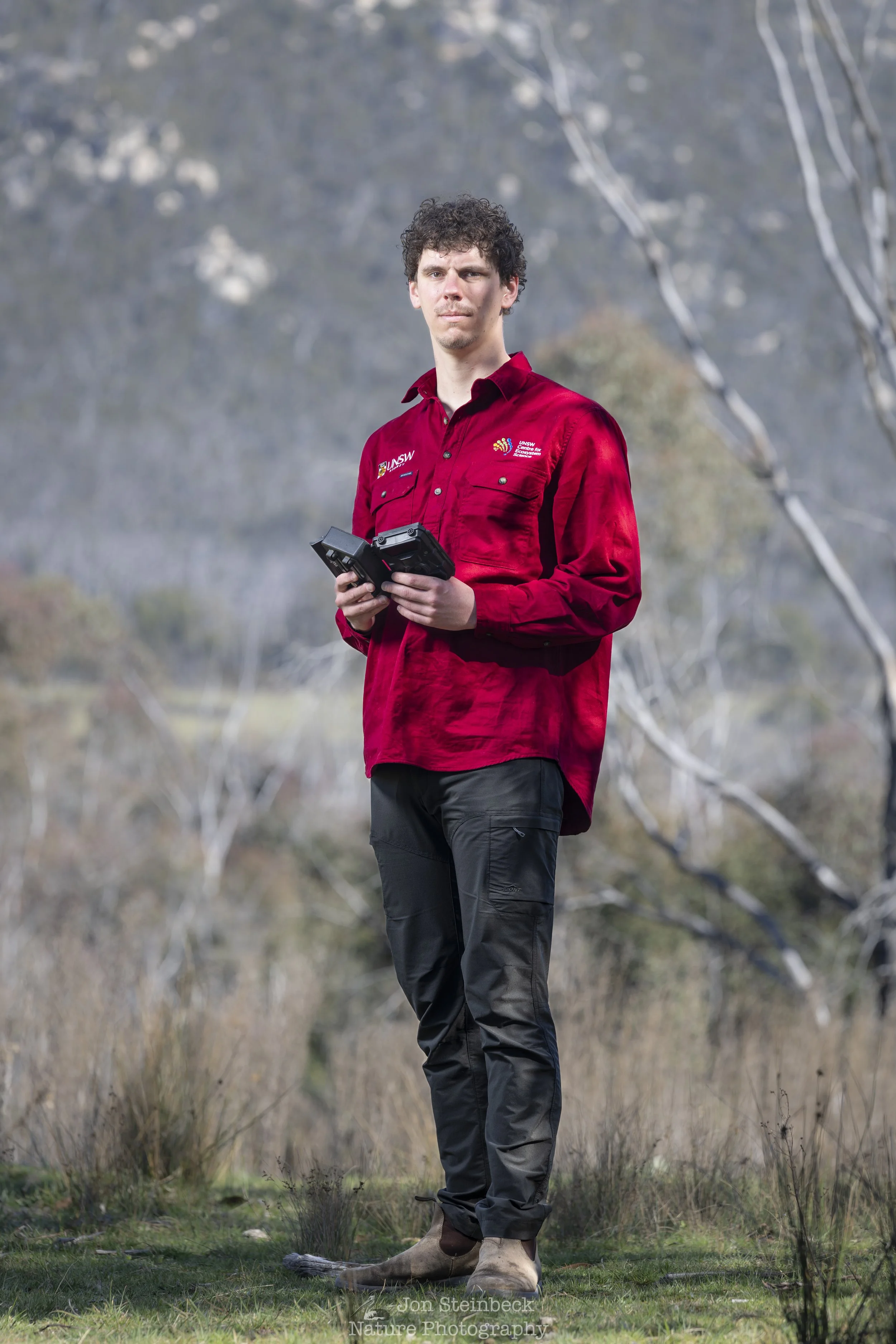
Photographing a dingo ecology researcher
A big thanks to James Vandersteen, a PhD candidate at the University of New South Wales (UNSW), who came out early on a Monday morning to Namadgi National Park so that I could photograph him. I didn’t know James prior to this, and I had reached out to him because he is currently researching the dingoes in the park, so I wanted to include him in my final project for the CIT Photography Diploma. He was absolutely fantastic, and nothing was a bother for him. We met at the Yankee Hat Walk Carpark and took some photographs nearby. He was such a genuine person with a real passion for his research. He can also see all points of view in the discussions about how to manage dingoes in Namadgi National Park, and his research is there to us understand the ecological role of dingoes in Namadgi. The ACT government is funding his research and James is now about to spend a year, analysing all the data and writing up his research. The policy makers in the ACT government will be the ones ultimately balancing up various interests but James will ensure that they have the best data and research to base their decisions on. I had a fascinating morning chatting with him, and I had to remind myself a few times that I was actually there to take photographs of him for my CIT assignment.
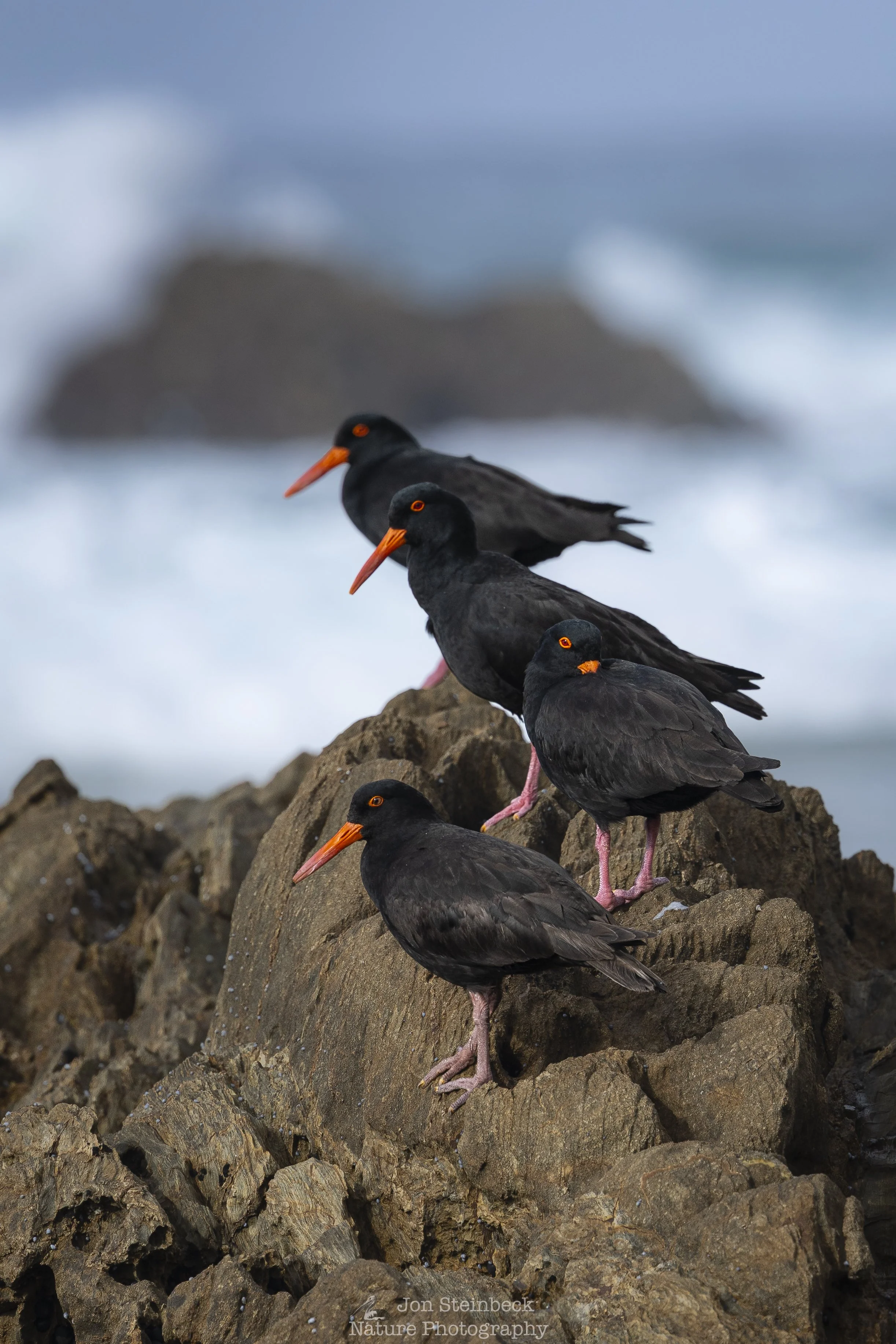
Sooty Oystercatchers together
In late August, I was down at 1080 Beach on the south coast of NSW, and starting to get worried if the H5N1 bird virus had already impacted some of the seabirds there because I had not seen many around, despite there normally being plenty. However, walking along the rocks, I came across these four Sooty Oystercatchers (Haematopus fuliginosus) together. They were standing on the rocks while the tide was ebbing. Sooty Oystercatchers normally prefer this type of rocky shoreline, while the Pied Oystercatchers are generally on sandy shores.
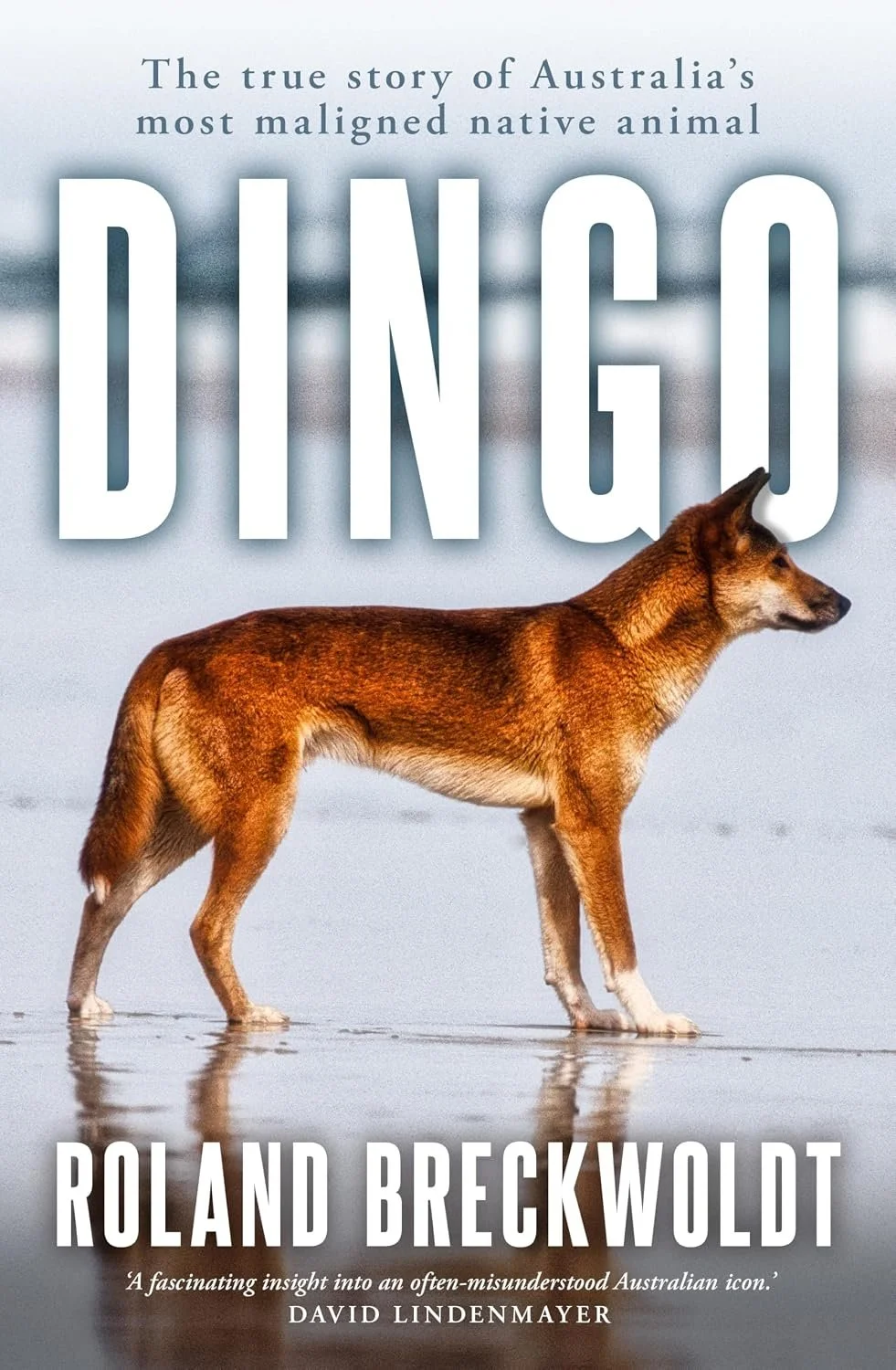
Book Review: Dingo - The true story of Australia's most maligned native animal
Roland Breckwoldt’s Dingo: The true story of Australia's most maligned native animal is an easily accessible, encyclopaedic book about all aspects of Australia’s dingo. Whether you want to know about its evolution, natural history, biology, persecution, cultural role, etc; it is all covered in this book.
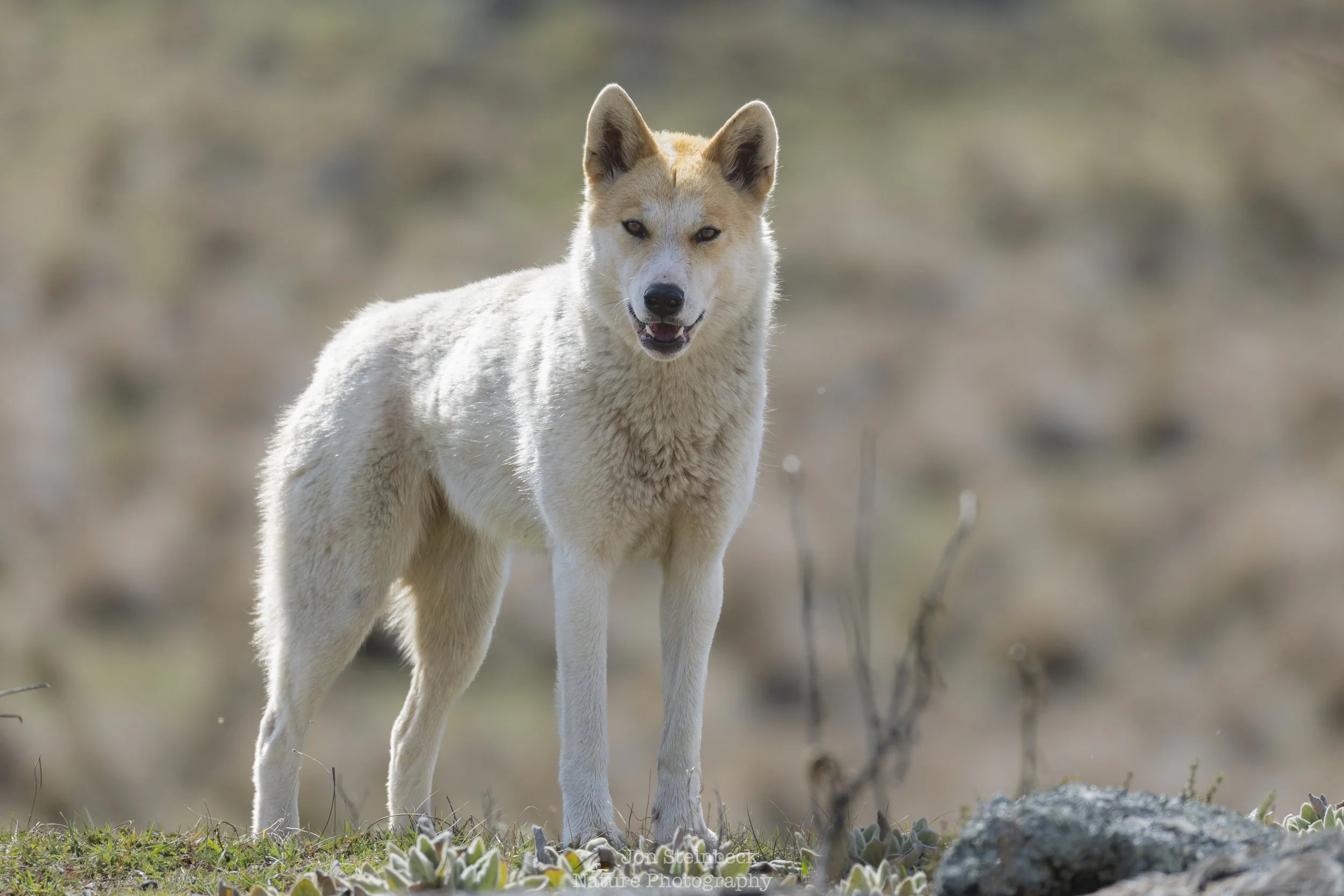
Alpine Dingoes starting their day
In mid-September, I was fortunate enough to have another amazing encounter with the beautiful Alpine Dingoes (Canis lupus dingo) of Namadgi National Park. When I photograph dingoes, I generally use a Canon RF 200-800mm F6.3-9 IS USM Lens, normally at 800mm to keep a safe distance from the dingoes, and to reduce any stress on them. In an attempt to further reduce the stress on these dingoes, I have also been regularly visiting this area over the last couple of months so that they became accustomed to my presence. These photos are part of a project that I am working on for my photography diploma at CIT, with this folio highlighting the need to conserve these beautiful animals.
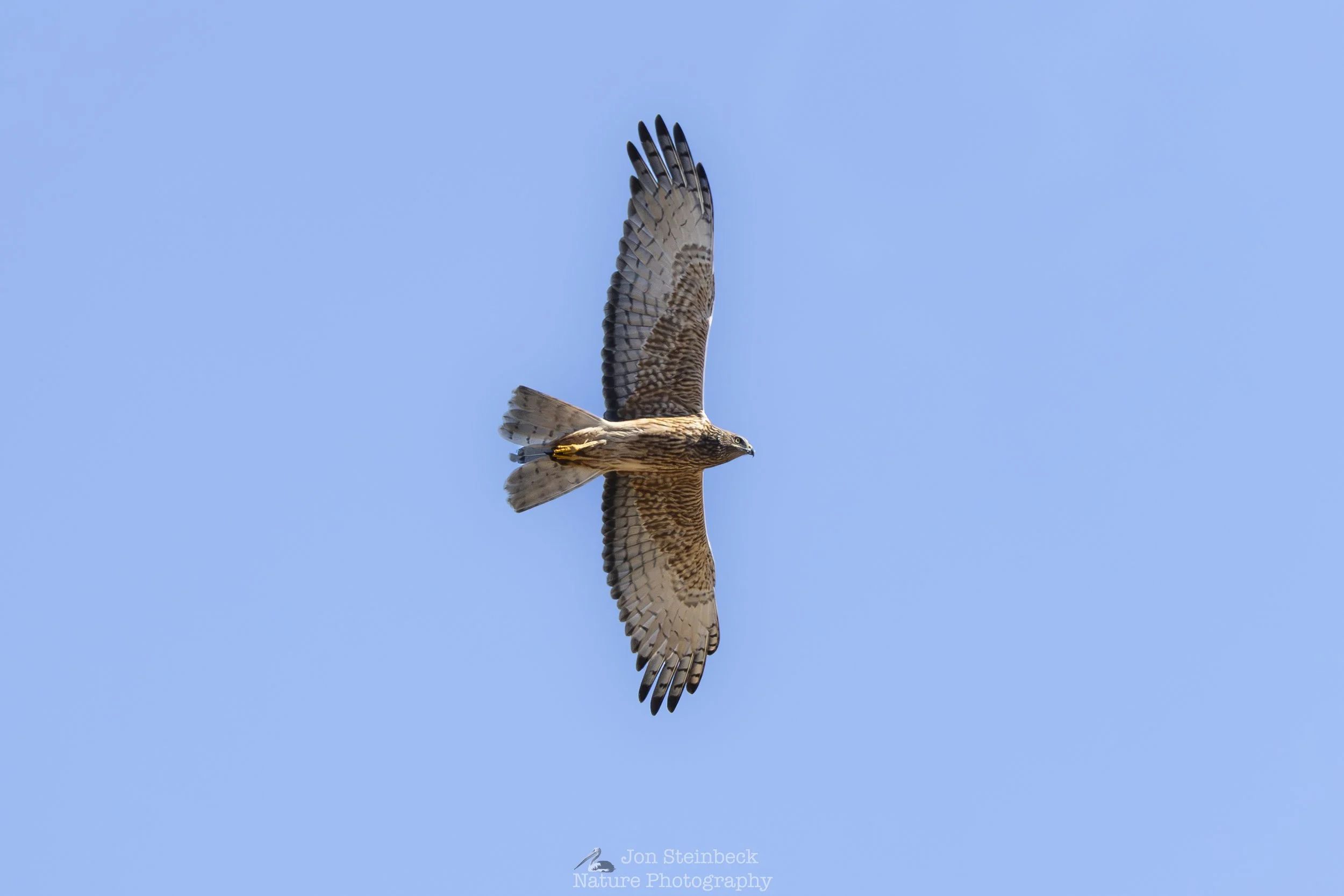
Swamp Harrier flying
This Swamp Harrier (Circus approximans) was initially on the ground when I was walking through Orroral Valley along a part of the Australian Alps Walking Track. I didn’t notice it until it called and took off quickly. Once in the air it circled around until it gained height and then glided further away, over the Orroral River. It wasn’t on a nest because it was well away from water, although it may have just dived at some prey.
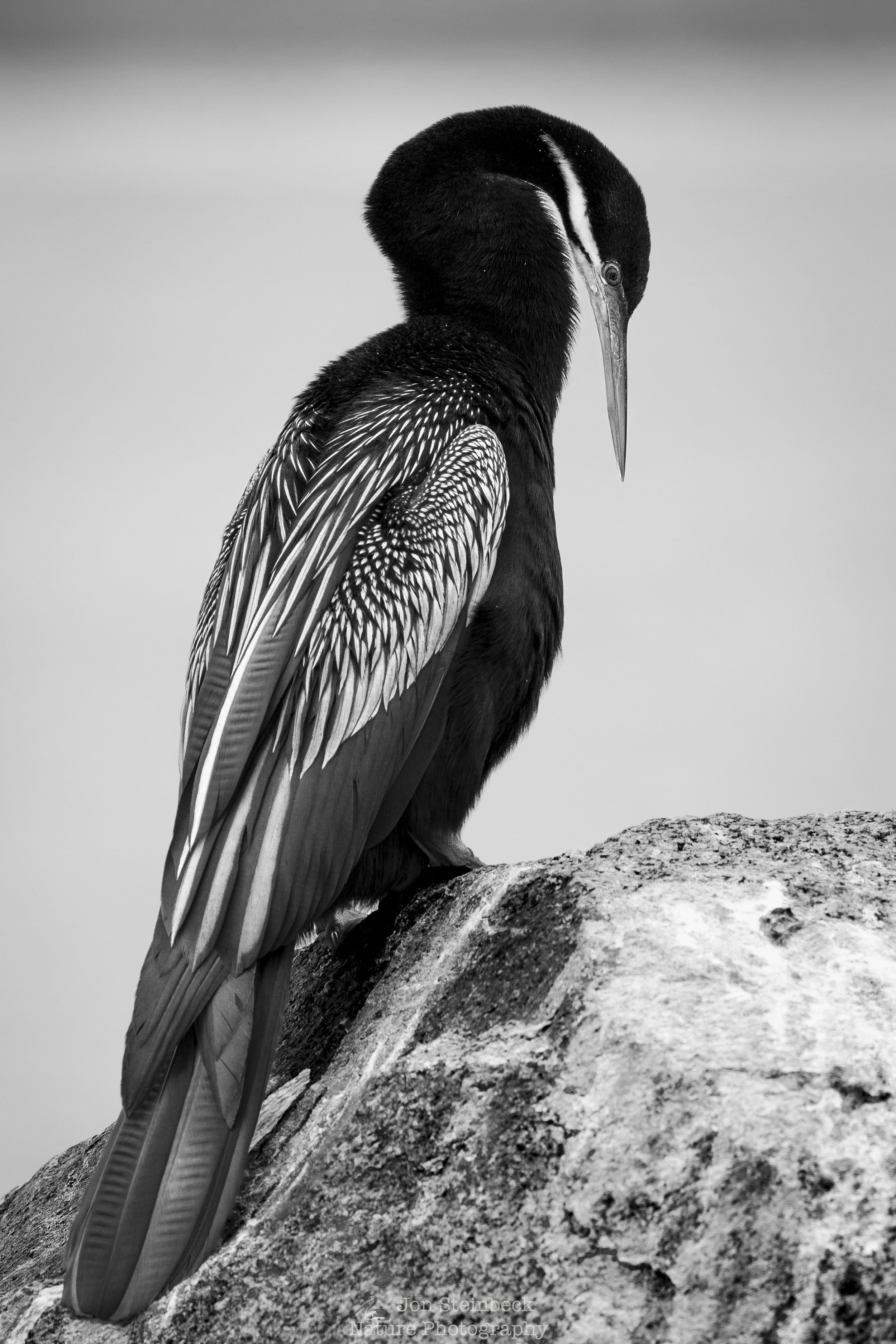
Three of my photographs were Highly Commended in the 2026 Mono Awards
I am very happy to say that three of my photographs were Highly Commended in the Animals category of the Mono Awards 2026. Last year, two of my images were commended, so I was very pleased to receive the notification that I had done better this year. Like most photographers, I take images because I like them, but it is nice to know that other people, especially leading international photographers, think that my images are also interesting. Many thanks to the judges of the Mono Awards 2026 and a big congratulations to the winners who created some inspiring works of art making want to get out there to keep making images.
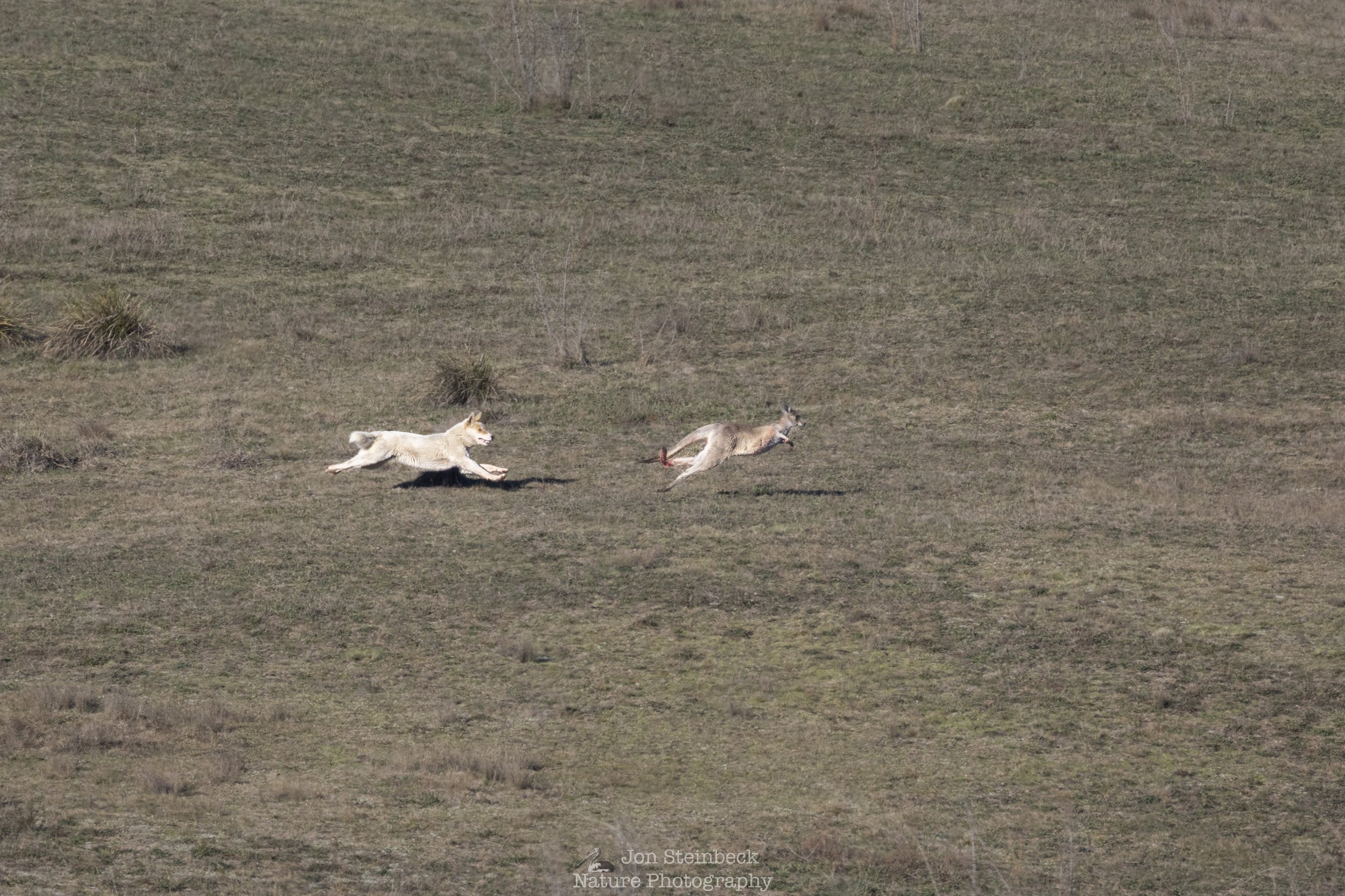
An Alpine Dingo hunting a kangaroo
OK, I admit, that these are not great photos. They were taken at a distance with my 200-800mm zoom at maximum zoom and cropped in. While I wouldn’t normally post low quality images like this, I thought that it was interesting subject matter. These photos were taken at around 8:40 in the morning and show what I think was a male Alpine Dingo hunting an Eastern Grey Kangaroo. The dingo chased the kangaroo down a hill and was about a body-length and a bit behind it. The kangaroo already seemed to have some blood on it, and the photo shows that its left toes were bent up at about 90 degrees when its feet were kicked back, not very natural. It looked like it had already been wounded by the dingo.
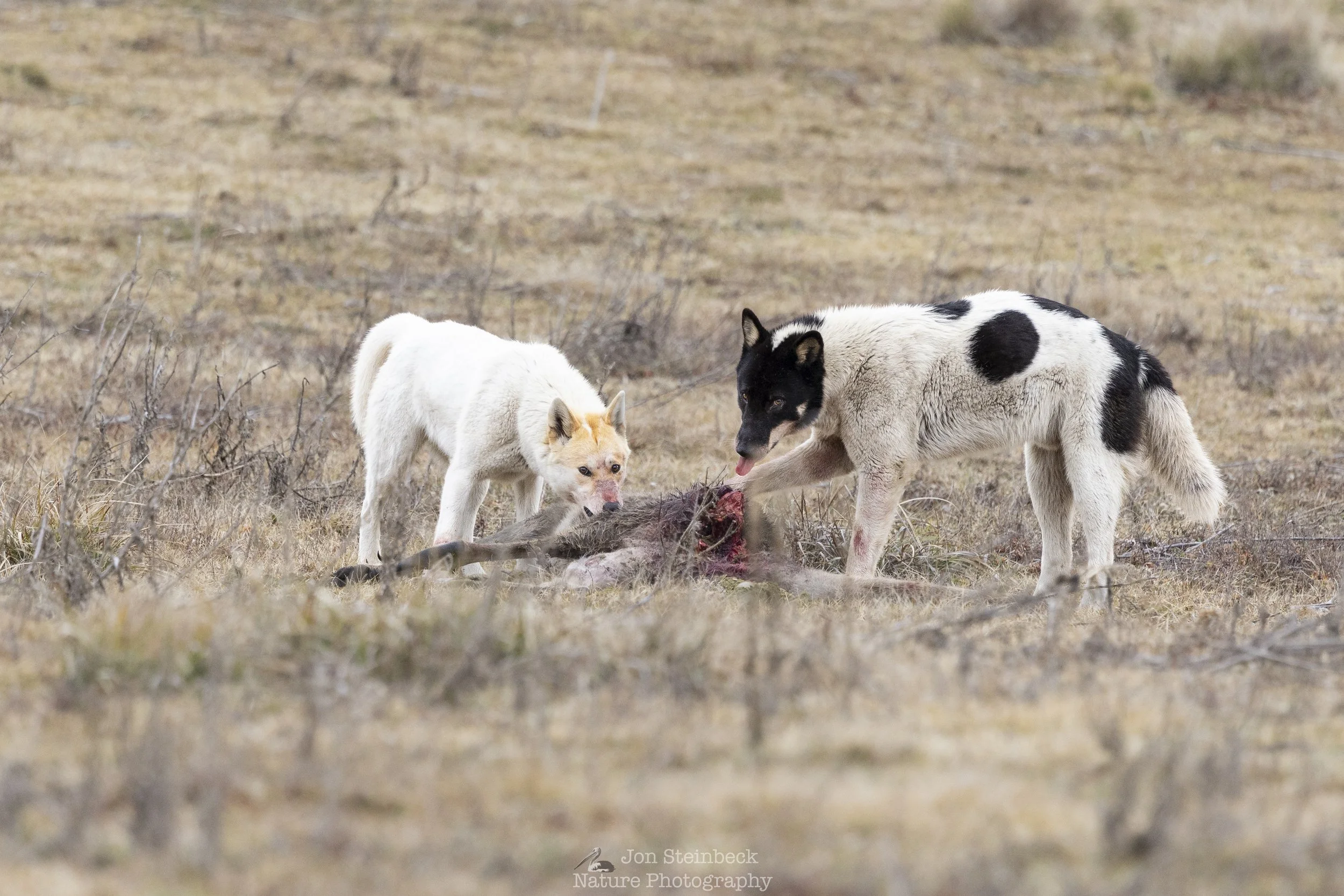
Alpine Dingoes devouring a kangaroo
In mid-August, I came across three Alpine Dingoes eating an Eastern Grey Kangaroo, which they had likely very recently killed. I was able to watch them feeding for a good hour. It was fascinating to see them consume the carcass, and targeting the easy to access parts, rather than areas that I thought would have more meat. I was also interested to see how there was a possible order in which the dingoes ate the kill.
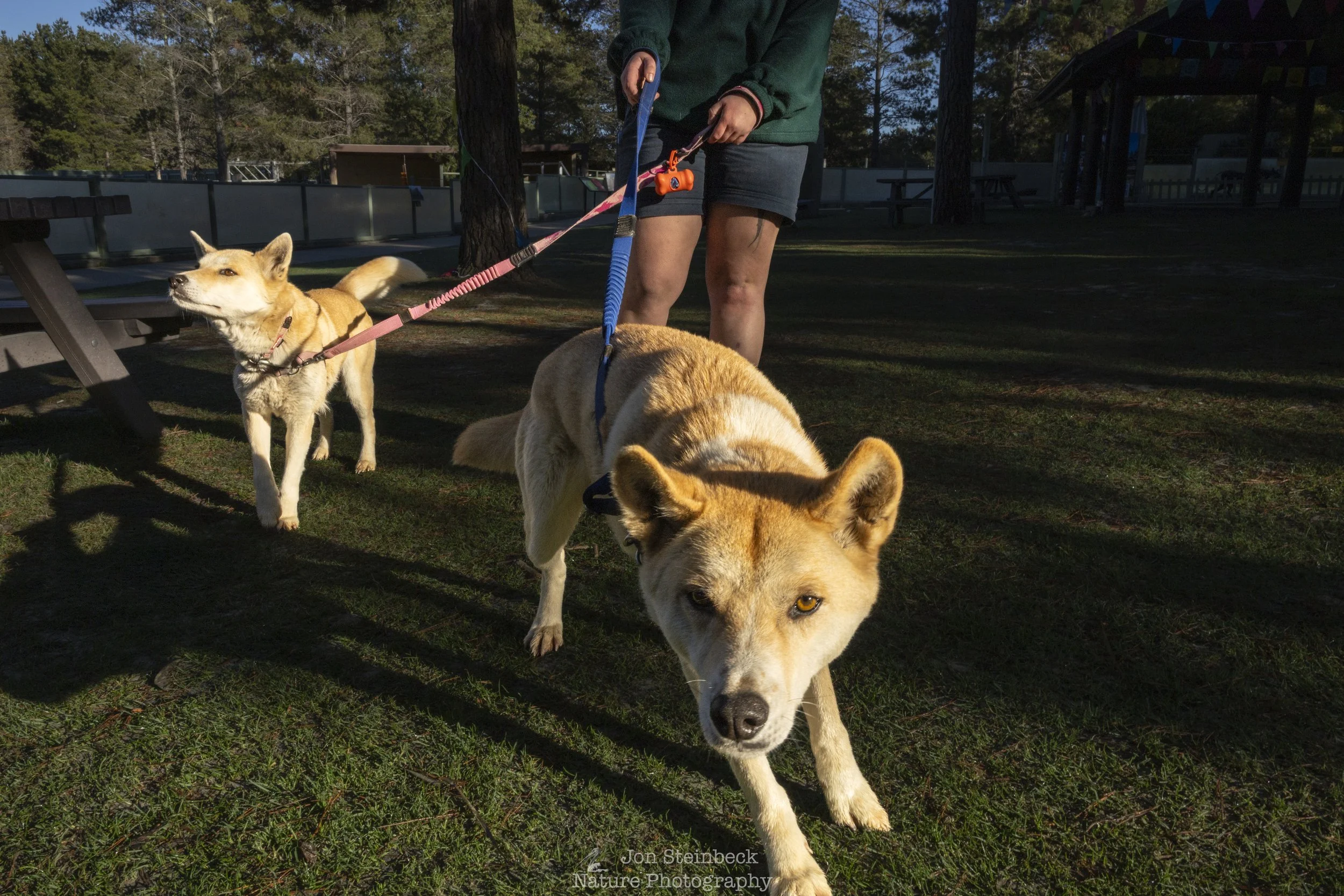
Photographing Alpine Dingoes at the National Zoo
I want to express a big thank you to the National Zoo and Aquarium for helping me out with an assignment I am completing for my Diploma of Photography at the Canberra Institute of Technology. One of the two final folios that I am creating is on the conservation of the Alpine Dingoes in the ACT. I contacted the Zoo because I knew it had Alpine Dingoes and I also knew that the Zoo plays a key role in educating the public about the importance of dingoes. I asked them if I could photograph a keeper and a dingo. Sophie, one of the animal coordinators at the Zoo, got back to me very quickly and said that they could assist.
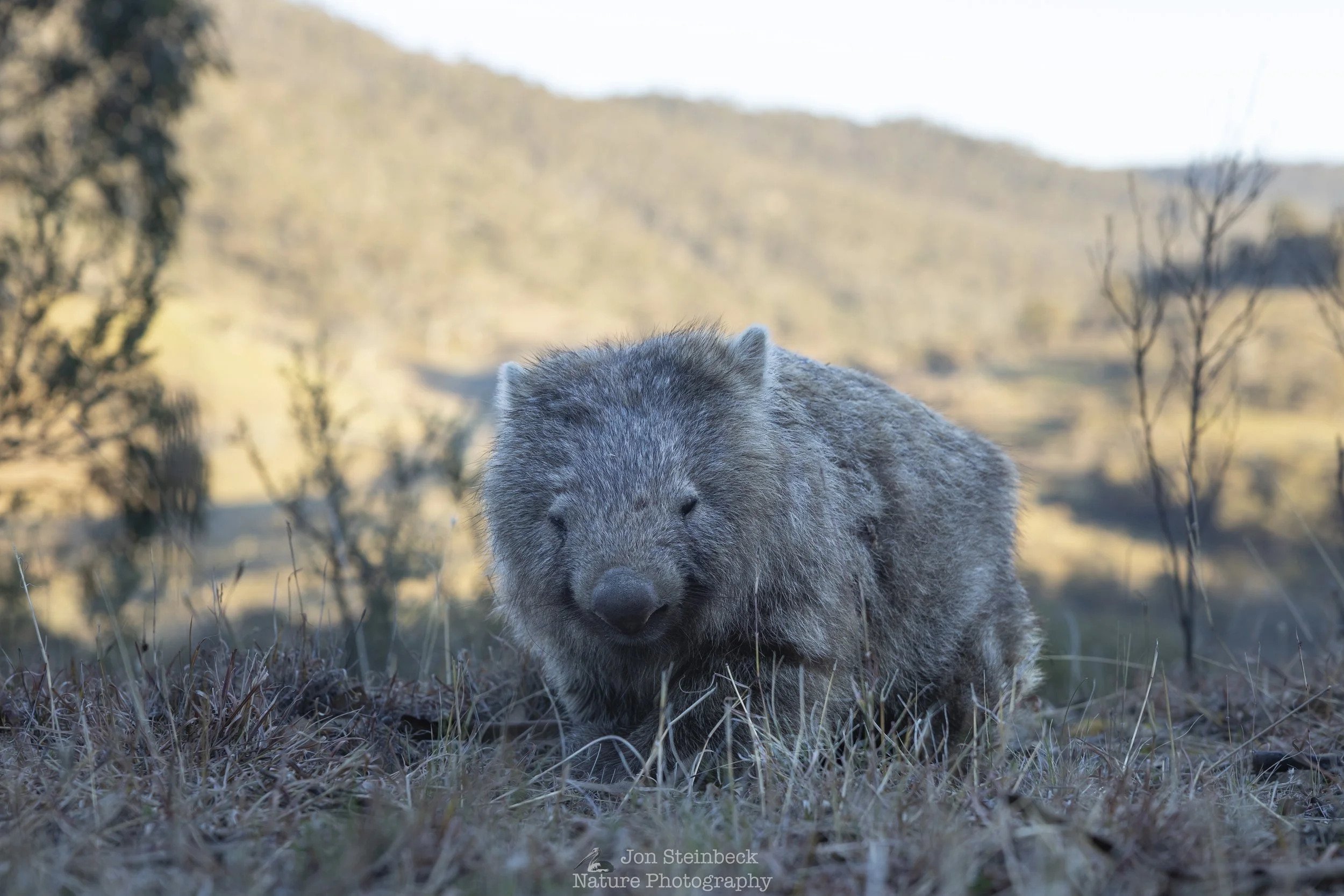
Brief encounter with a wombat
On Sunday morning, while driving through Namadgi National Park, I noticed movement at the side of the road. Fortunately, it was early morning, so there was not much traffic and I was able to pull over to the side of the road and flick my emergency lights on. I had just noticed a Common, or Bare-nosed Wombat (Vombatus ursinus) walking along the edge of the road. It was still safely in vegetation, and not trying to cross the road. I initially used my long lens to take photographs but the wombat was still, so I used my wider lens to capture more of the background.
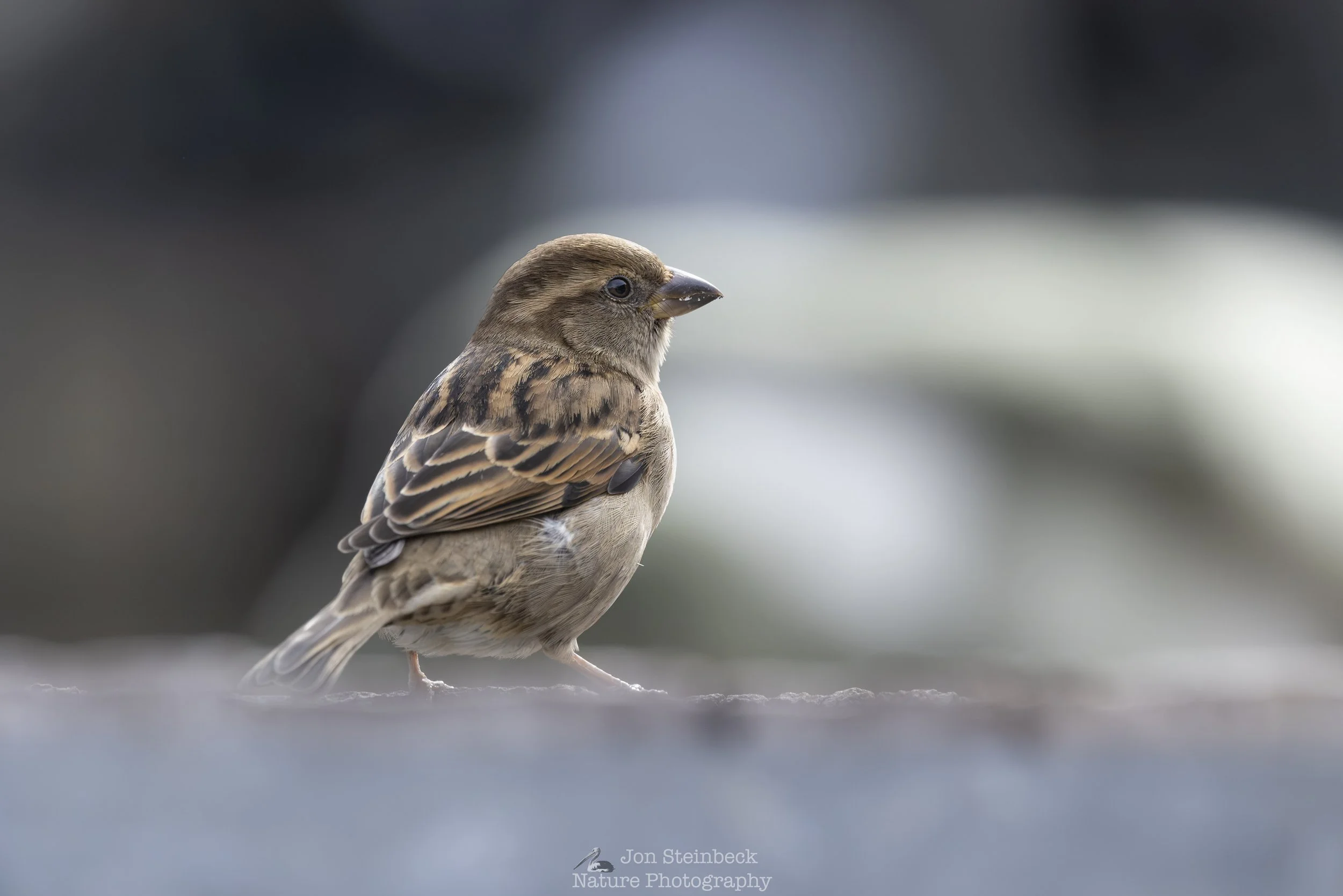
House Sparrows in Bungendore
In late July, while we were eating lunch at a food truck establishment at Bungendore, I couldn’t help but photograph the House Sparrows (Passer domesticus) that were also getting a feed there. They had made themselves very much at home, and seemed to be thriving.
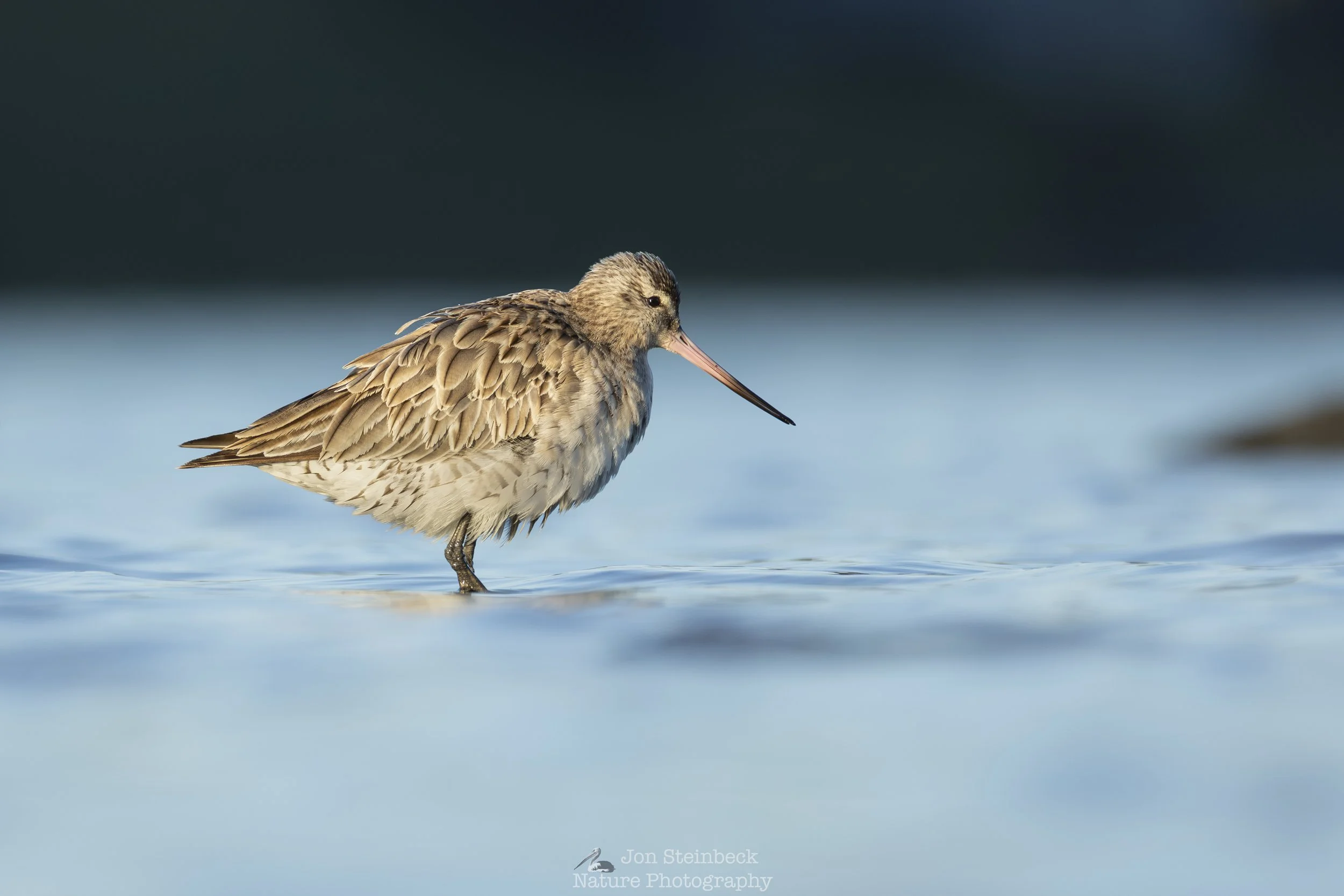
Bar-tailed Godwits wintering in Narooma
These Bar-tailed Godwits (Limosa lapponica) were part of a small number that resist the migration urge and remain in Australia over winter. Most godwits leave Australia in April and May, flying north to their breeding grounds in the high latitudes of the Northern Hemisphere. Godwits undertake the longest non-stop bird migration, with one individual flying 13 500km from Alaska to Tasmania in only 11 days non-stop. This flight takes a toll on the birds and they arrive with much reduced body weight, needing rapidly to replenish their energy levels upon arrival in Australia.
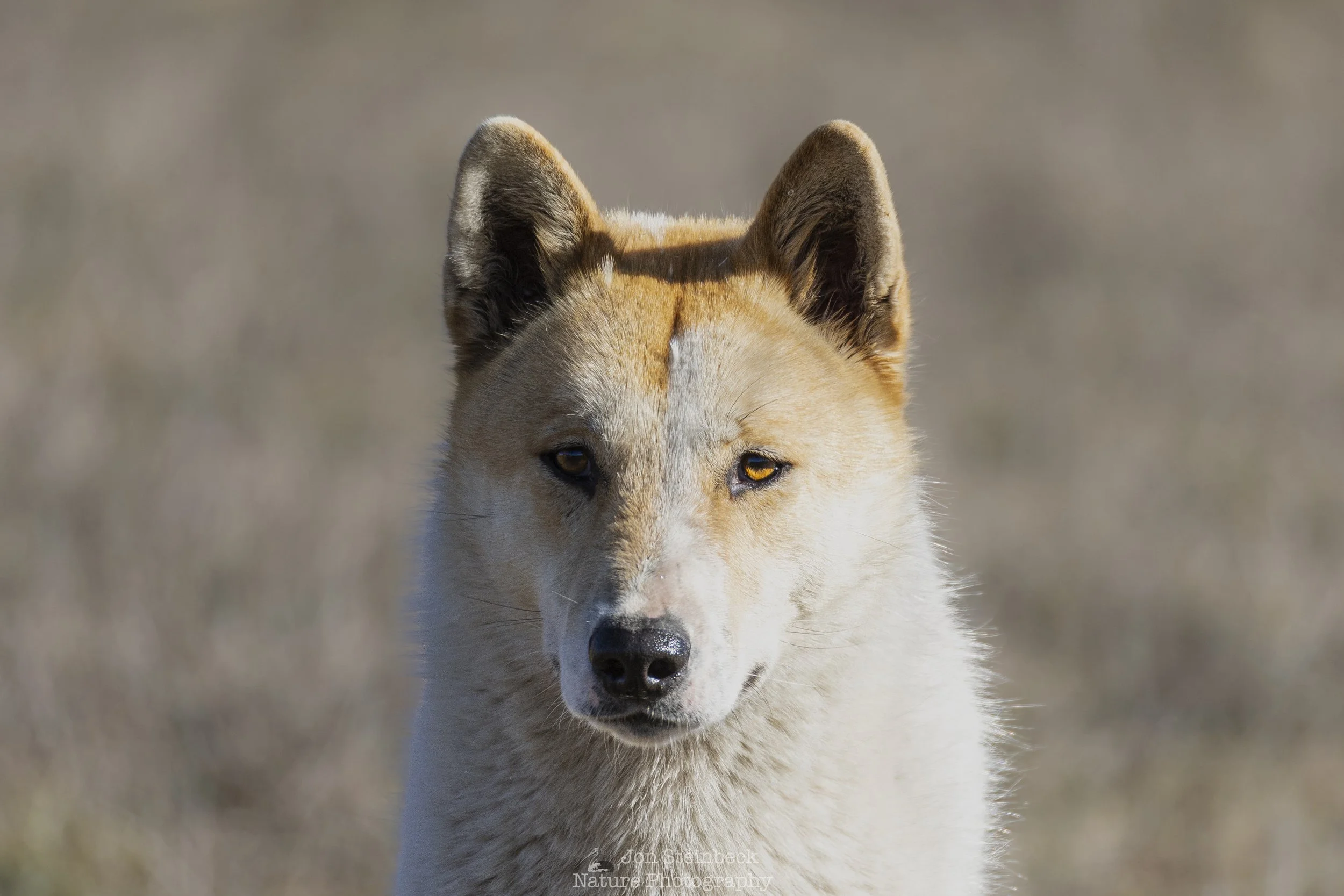
Photographing Alpine Dingoes again
I couldn’t help myself. I had to go back to Namadgi National Park, to photograph the Alpine Dingoes (Canis familiaris dingo) again. I really love these incredible looking animals and on that Friday morning in mid-July, I was hoping to take more photos of these visually stunning animals. I had been out one other time since my first time photographing the dingoes, but that second time, I heard them, but I didn’t see any. This time, I really hoped that I would be more successful.
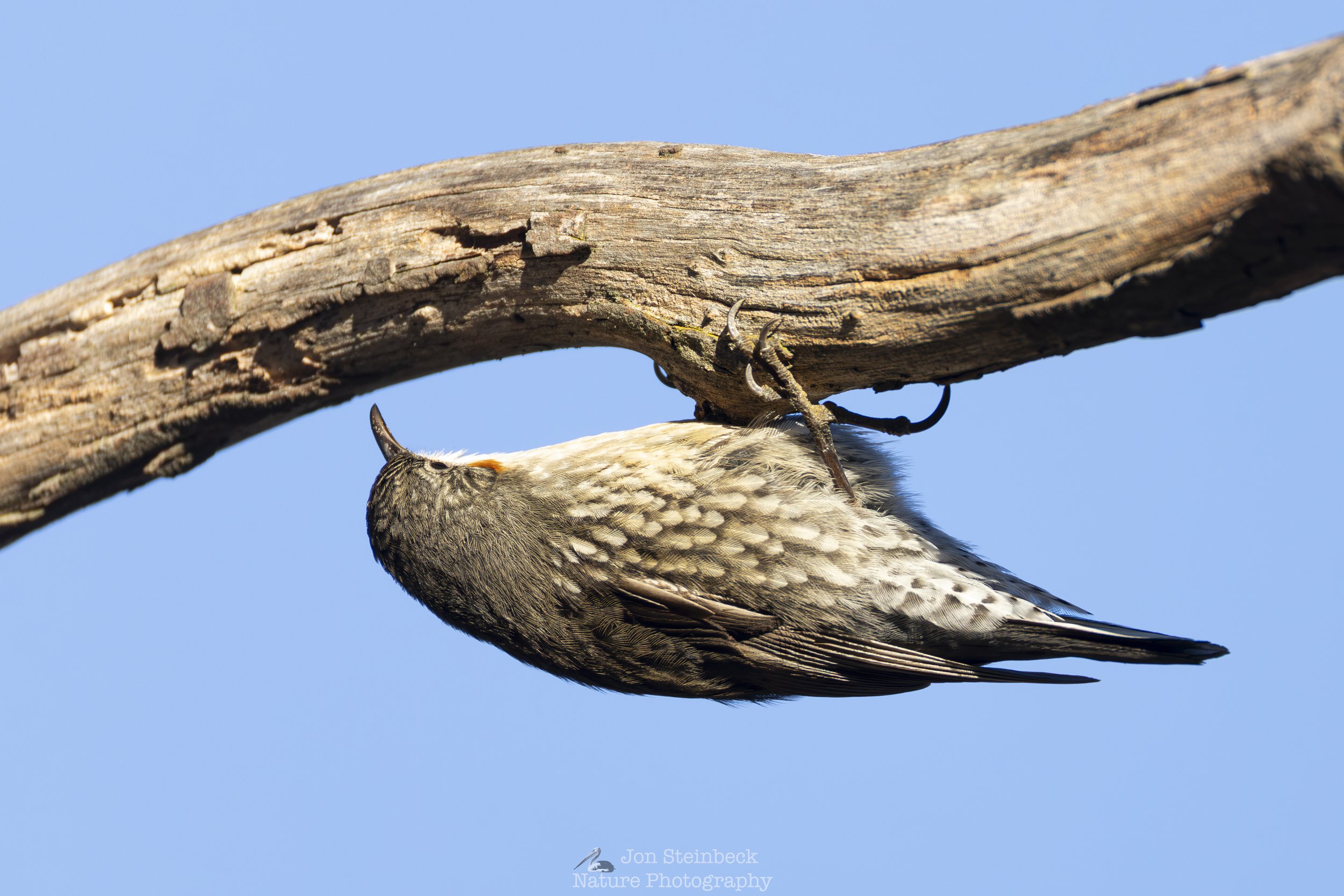
White-throated Treecreeper after food
In mid-July 2026, this female White-throated Treecreeper (Cormobates leucophaea) was looking for food among the trees at Namadgi National Park. Treecreepers tend not to be too concerned about humans and she flew to a tree right in front of me giving me a wonderful view of her search for food. I love how these birds spiral around a branch or a trunk, hardly ever remaining still. Constantly searching for food on the bark of the trees.
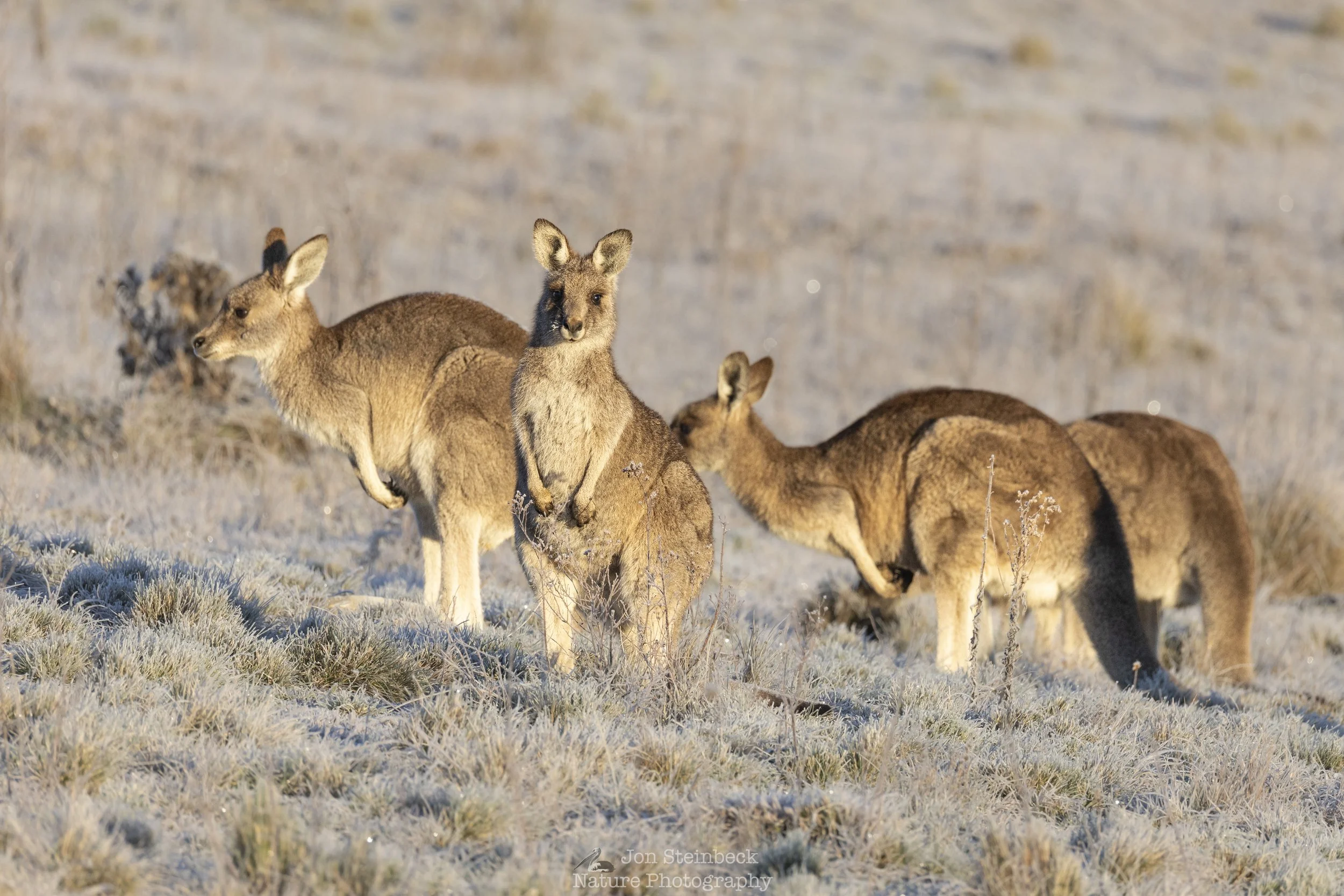
A cold morning for some young kangaroos
In mid-July, it was -4° Celsius when I was photographing at Namadgi National Park, and this group of Eastern Grey Kangaroos (Macropus giganteus) was just one of the many that were eating the frost covered grass. It must have been a cold breakfast for these juveniles. I liked how the one in the middle, looking at the camera, had a bit of frost on its whiskers, just emphasising how cold it was. I also noticed in some other photos, that the kangaroos even had some frost on their back as well. Still, their fur looks like it was keeping them warm.
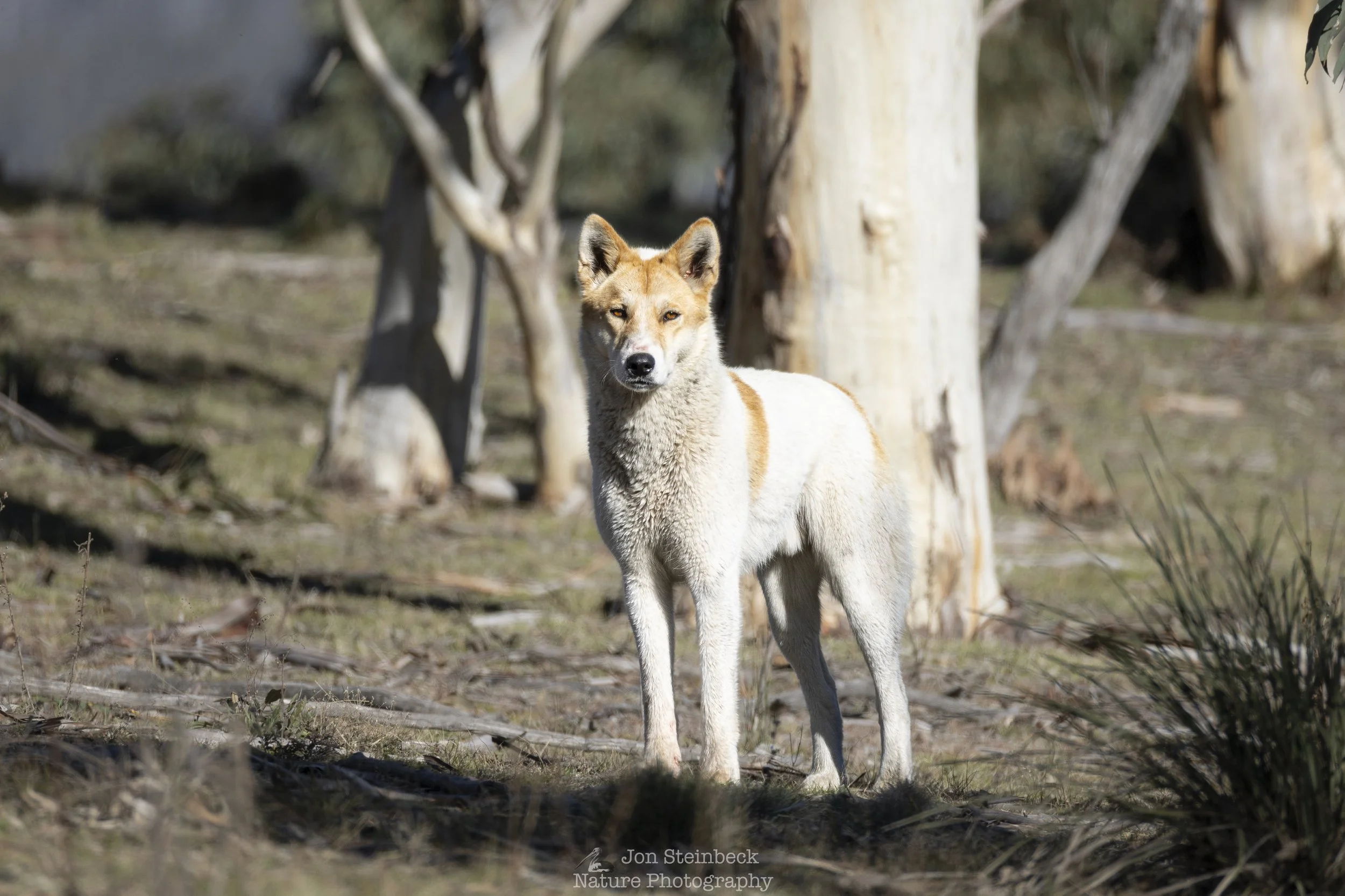
Namadgi’s Alpine Dingoes
In early July I went to Namadgi National Park, south of Canberra, to photograph Alpine Dingoes (Canis familiaris dingo), or Waragul in the local Ngunnawal language. I travelled to a location in the southern part of the park, where I hoped to be successful.
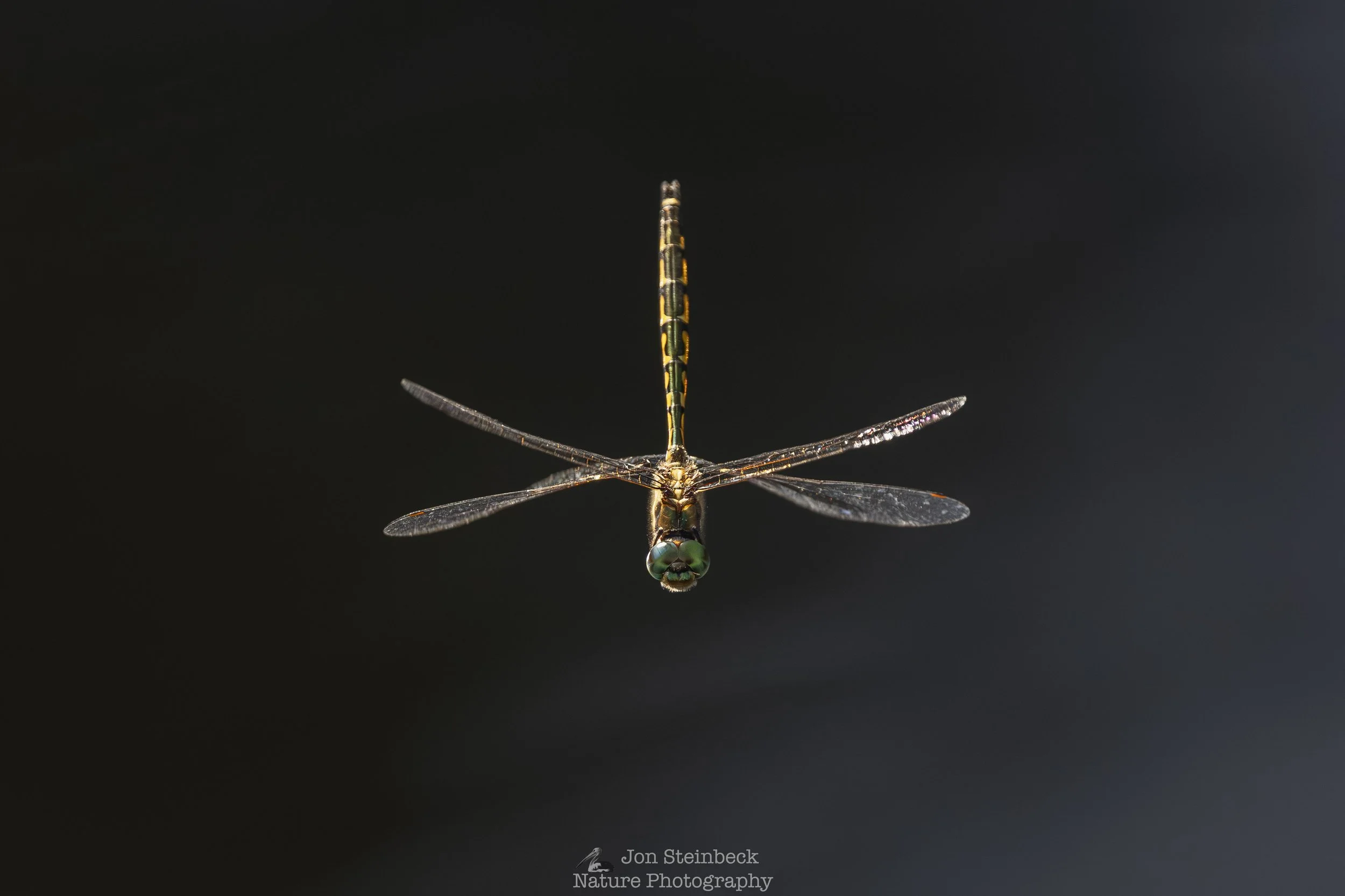
Australian Emerald Dragonfly, emeralds for eyes
The Australian Emerald Dragonfly (Hemicordulia australiae) is about 5 cm long and is common across much of eastern Australia. The mature adults have amazingly coloured eyes that take up most of the front of their head. These adults are vagrants, so will wander far from where they originated but during the mating season, in summer, the males will patrol an area above still water where there are reeds. The male will await a female to enter his area and attempt to mate with her. If successful the pair will then immediately lay eggs on the stem of the reed just below the surface of the water.
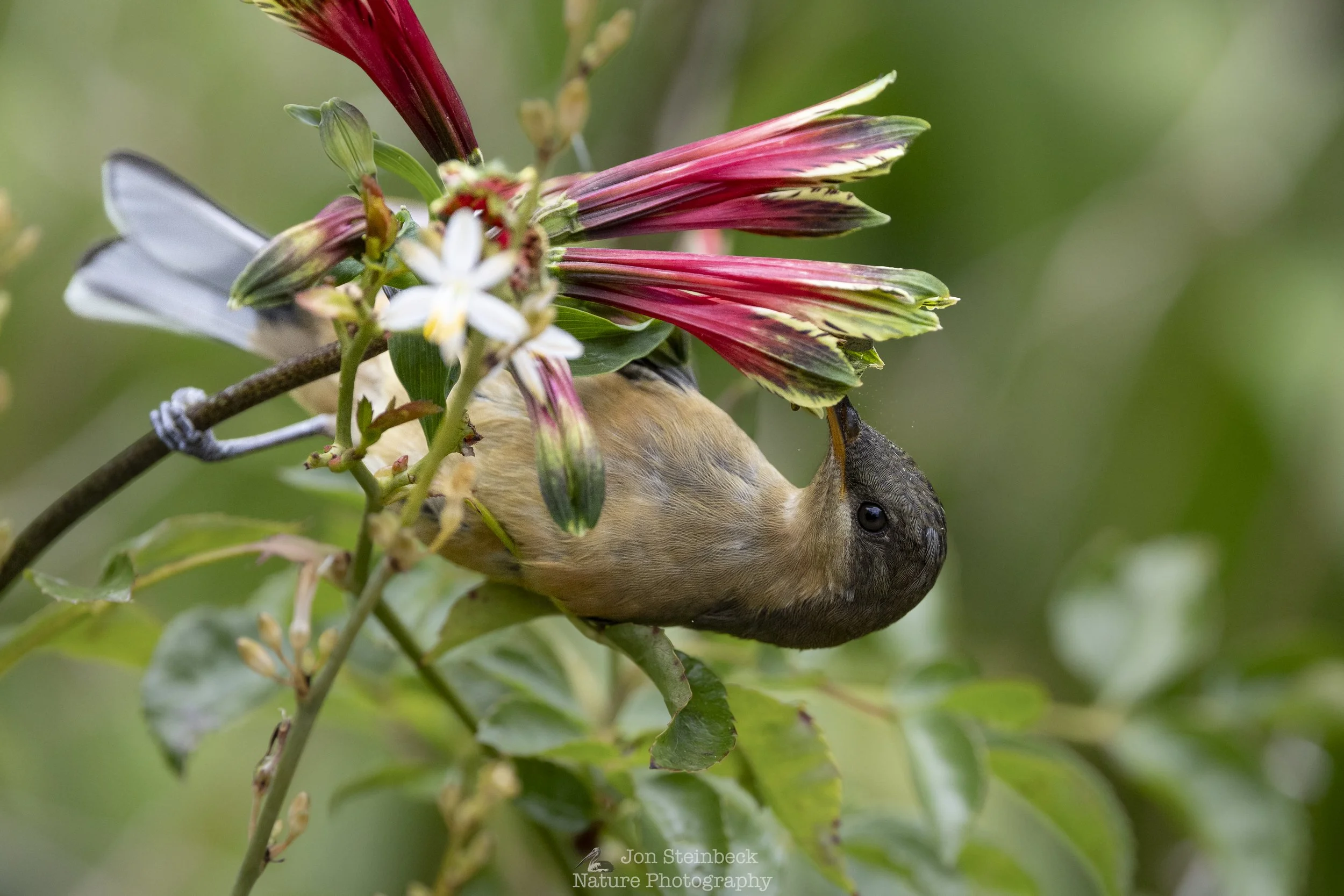
Juvenile Eastern Spinebill enjoying some garden pollen
In Narooma, the house is very close to a mature nature reserve, so many birds fly the short distance to the garden where there is a pond and bird bath. These sources of water are very popular with the small birds, especially in summer, and I am easily distracted by the myriad of small birds flying around. Whenever I am in the garden, especially in the warmer months, I try to always have a camera with me. One day in December 2025, this juvenile Eastern Spinebill was exploring the garden.
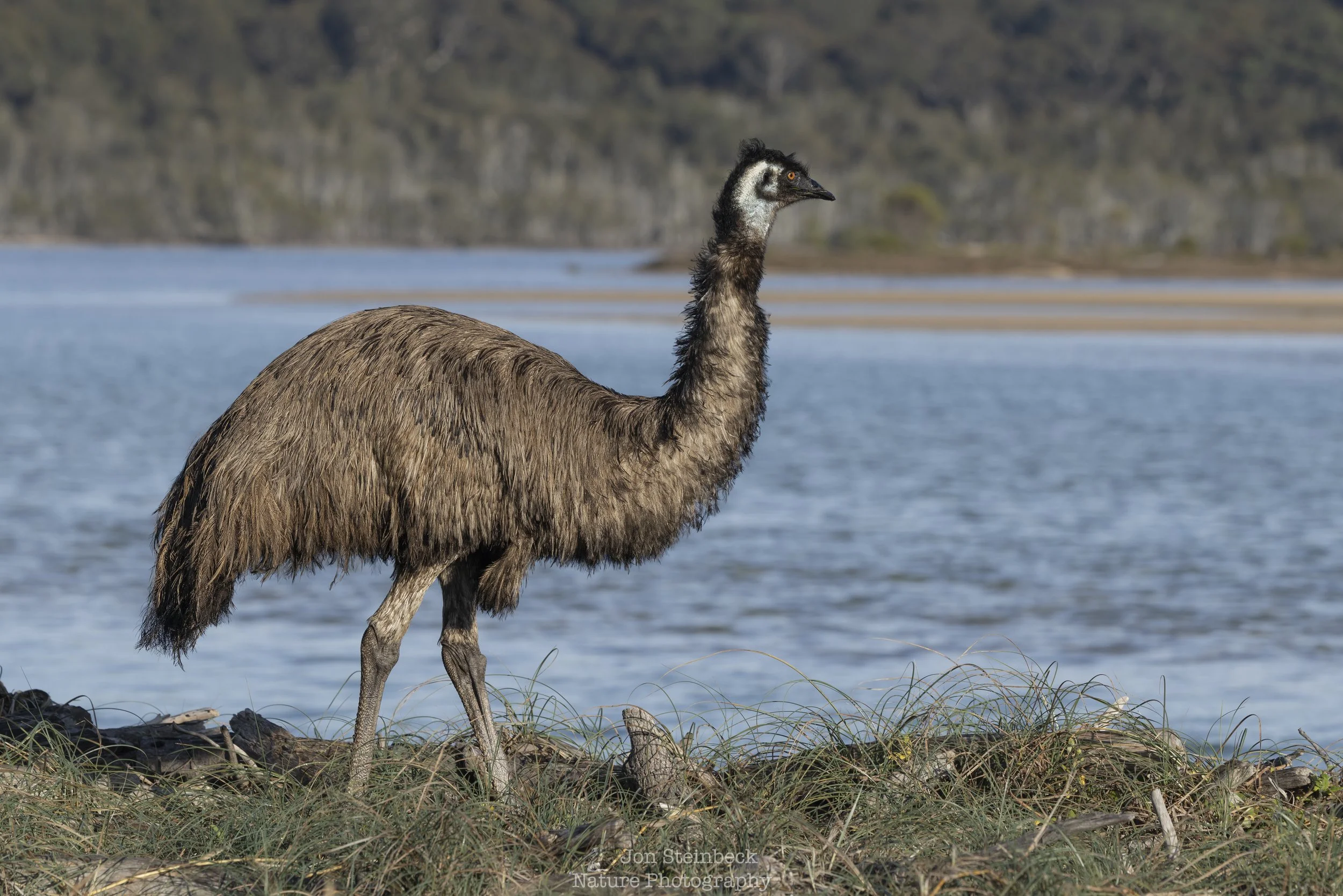
Back photographing emus in Eurobodalla
In mid-June, I was back at South Tuross in the Eurobodalla National Park photographing emus. I was fortunate because the weather on the day was fantastic. The sky was almost cloud free so I had plenty of early morning light for photography. My intent was to see if I could get more pictures of the emus there, and hopefully different compositions to my trip in February. I ended up taking a number of shots and I was very happy with the results. I had a lovely morning watching Australia’s largest bird up close and I hope that you like the photographs below.
Both of my entries were Commended in the 2026 Australasia’s Top Emerging Photographers
I am very happy to say that both of my entries were Commended in the Animals category of the 2026 Australasia’s Top Emerging Photographers. Many thanks to the judges of the 2026 Australasia’s Top Emerging Photographers and a big congratulations to the winners who took some stunning photographs that have inspired me.
As part of my entry, I made sure to purchase the printed magazine edition with the results of the competition so that I could thoroughly examine the photographs that won the categories, as well as the runners up. It must have been so hard to be a judge, with all the amazing images entered. I found studying the images in the Animals category to be both educational and inspiring. For me, it is not just about seeing the incredible photographs and trying to capture a similar image, but also having a similar experience with wildlife. A photograph is recording what the photographer saw, and I would love to have similar experiences with wildlife that those photographers had, even if I don’t have the skill or aptitude yet to capture the moment like they did. Honestly, the incredible images I saw in the magazine have further motivated me to get out and see nature at its best.