Australian Pelicans at Narooma
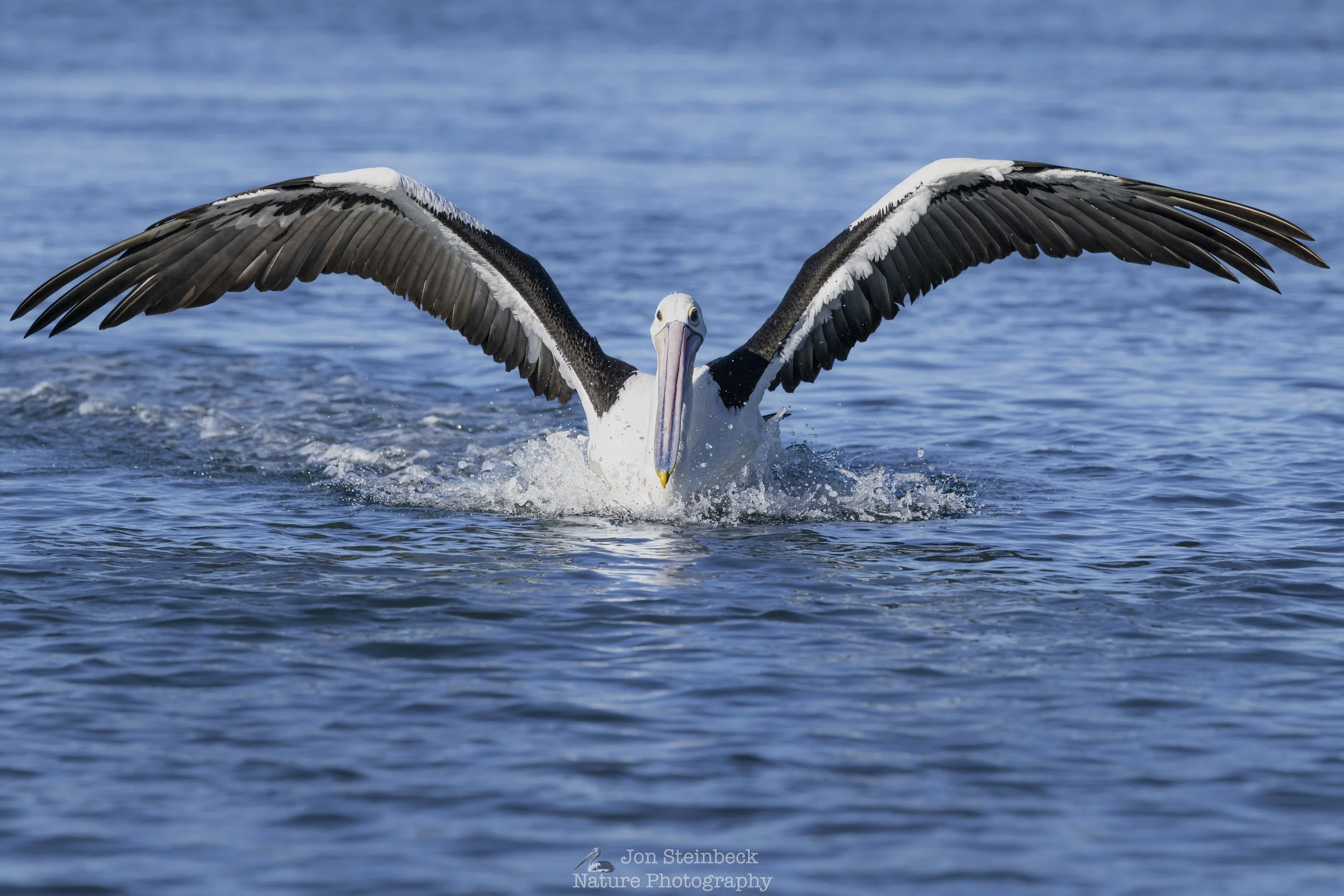
Australian Pelican coming in to land
Canon EOS R5 Mk II with a Canon RF 100-500mm f/4.5-7.1 L IS USM Zoom [ISO 640, 176mm, f/8.0 and 1/2500])
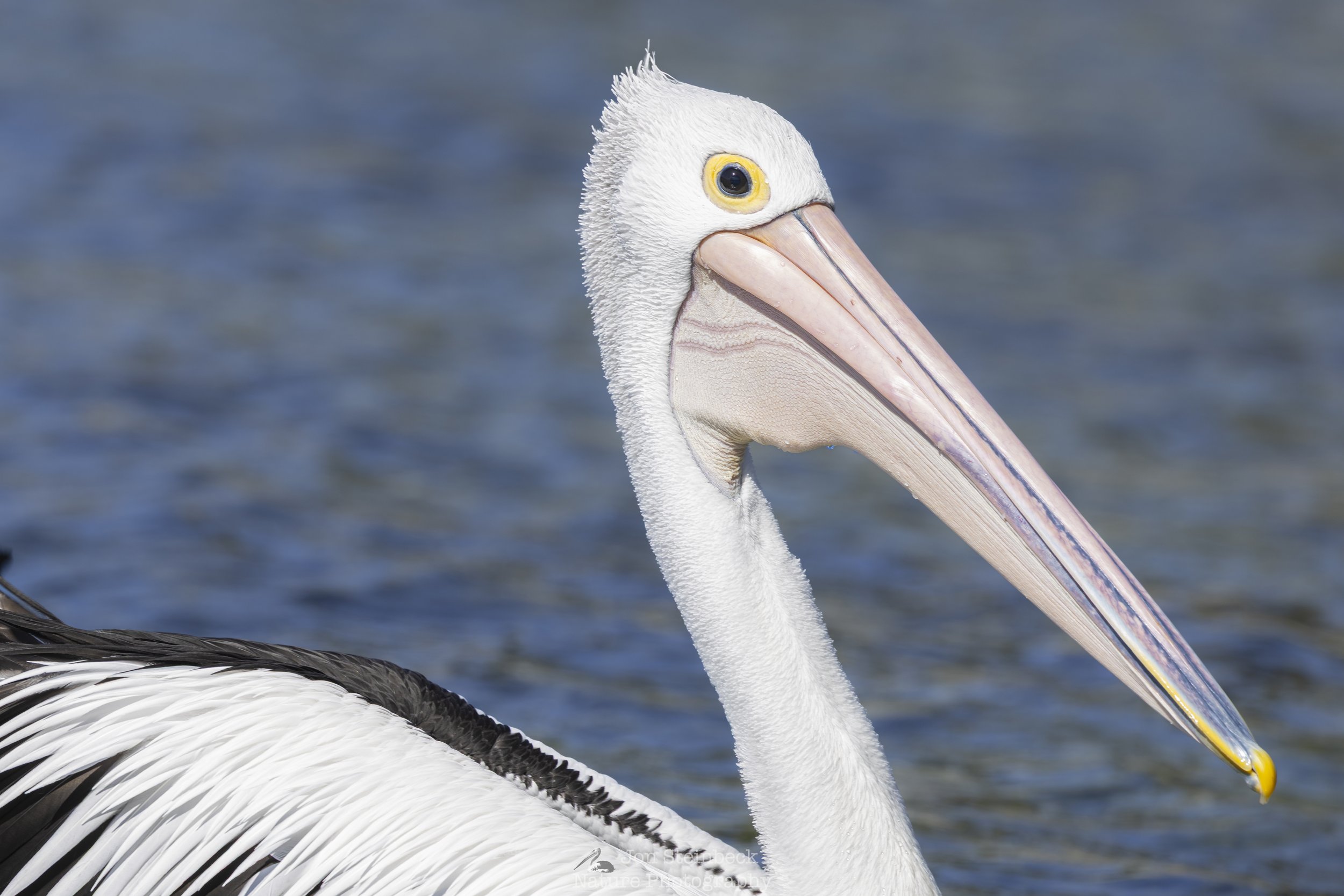
I never get tired of photographing the beautiful Australian Pelican (Pelecanus conspicillatus), and I am normally spoilt for choice around Narooma. This species is one of Australia’s largest flying birds, so they are an impressive bird to see up close, especially in the air, with its almost three metre long wingspan. The subtly coloured bill, has been recorded as the largest of any bird in the world. While they are very common around Narooma, they don’t breed there, nor possibly in the general vicinity, with no chicks being recorded at Narooma, only juvenile birds.
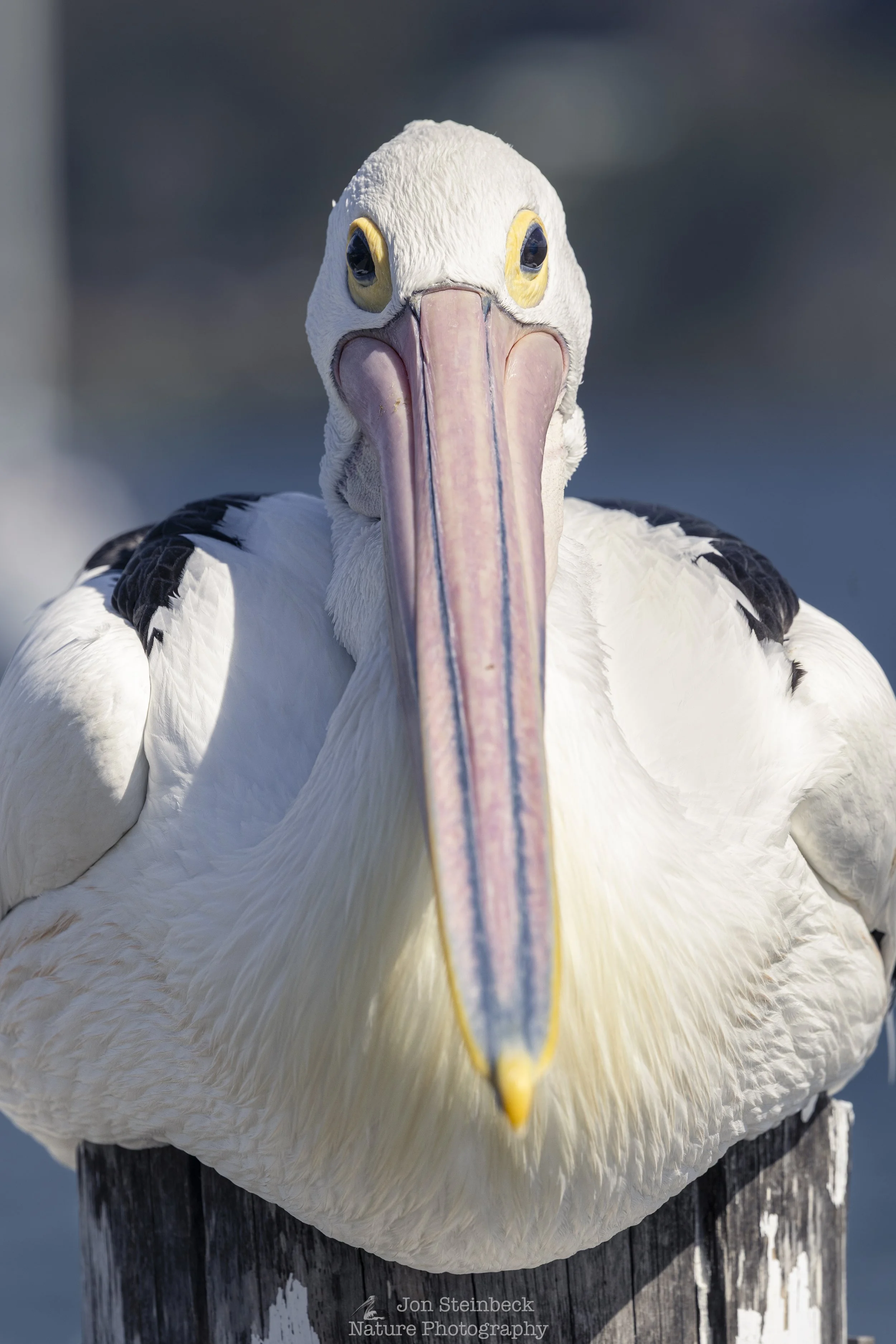
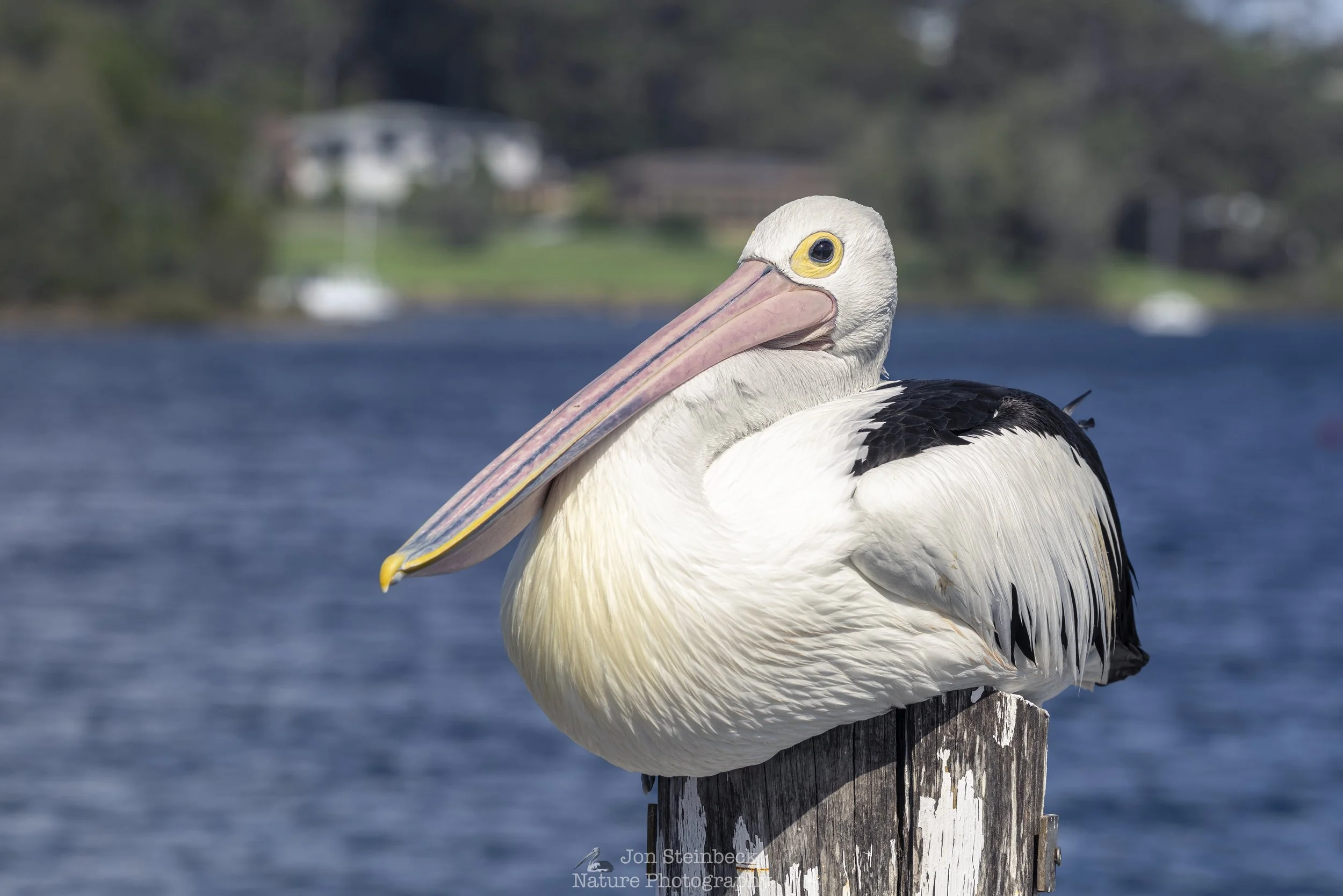
The top right and bottom left photos were of the same bird. It was roosting on the pylon of a wharf near a restaurant. I noticed that the bird did not mind patrons getting close to it, so I wandered out with my camera. I had my Canon RF 100-500mm lens on the camera, ready for this type of opportunity. I really enjoyed photographing this bird so closely and my wife eventually had to call me back for my meal. The main image of this post and the bottom right are of a bird taken a few days later. It was a bird that was attracted by a fisherman cleaning his catch at a boat ramp. I liked the photos because they give an indication of the pelican’s wingspan.
These are impressive birds and while they understand that they can get off-casts of fish parts from anglers, it is very important that people fishing with hooks keep an eye out for these wonderful birds. It is so easy for pelicans to get hooks caught in their bills, which can eventually kill them. Distressed birds with fish hooks in them should be reported to the local wildlife rescue as quickly as possible, so that a trained carer can attempt to rescue the bird.