Branding and media shoot with Capital Ecology
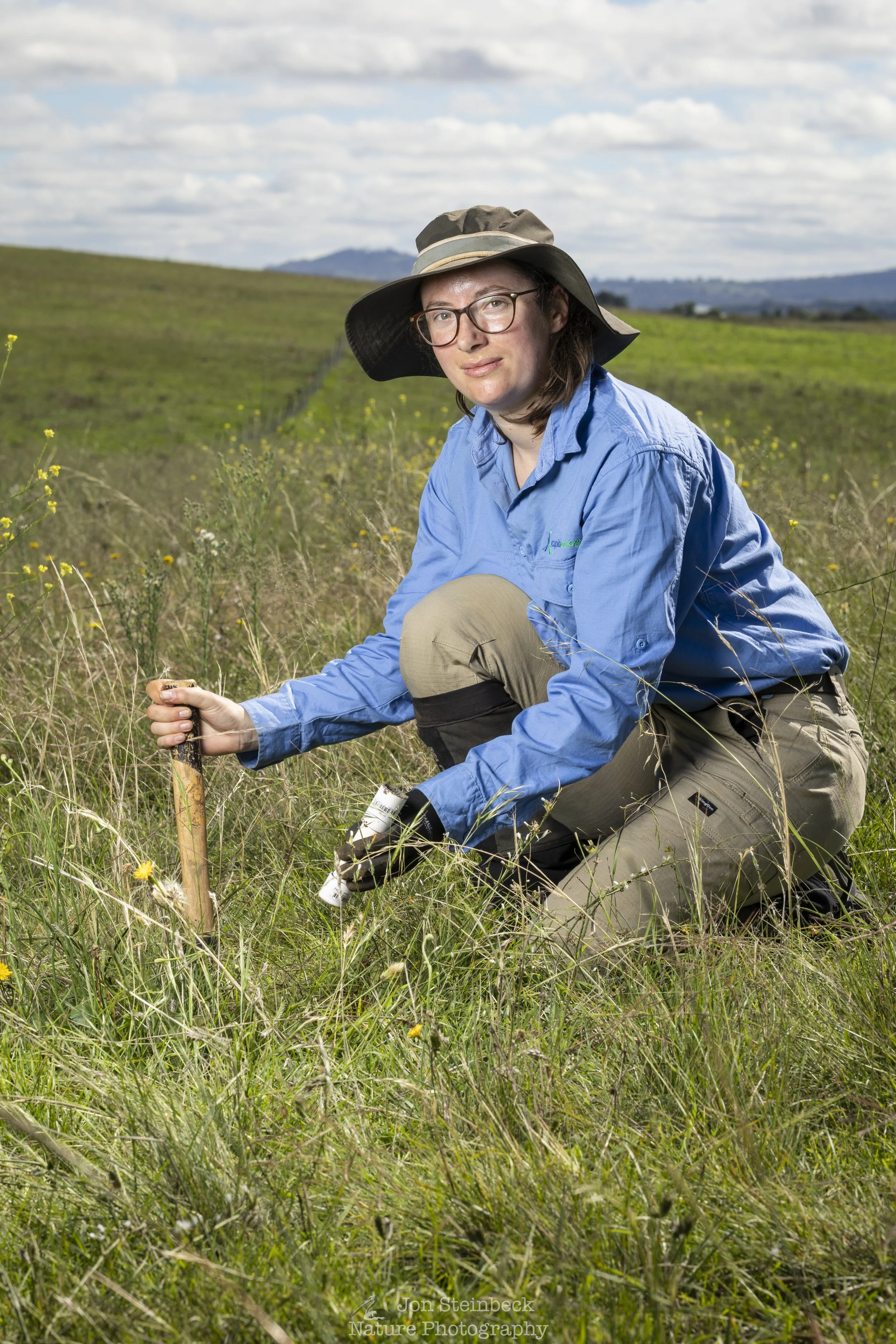
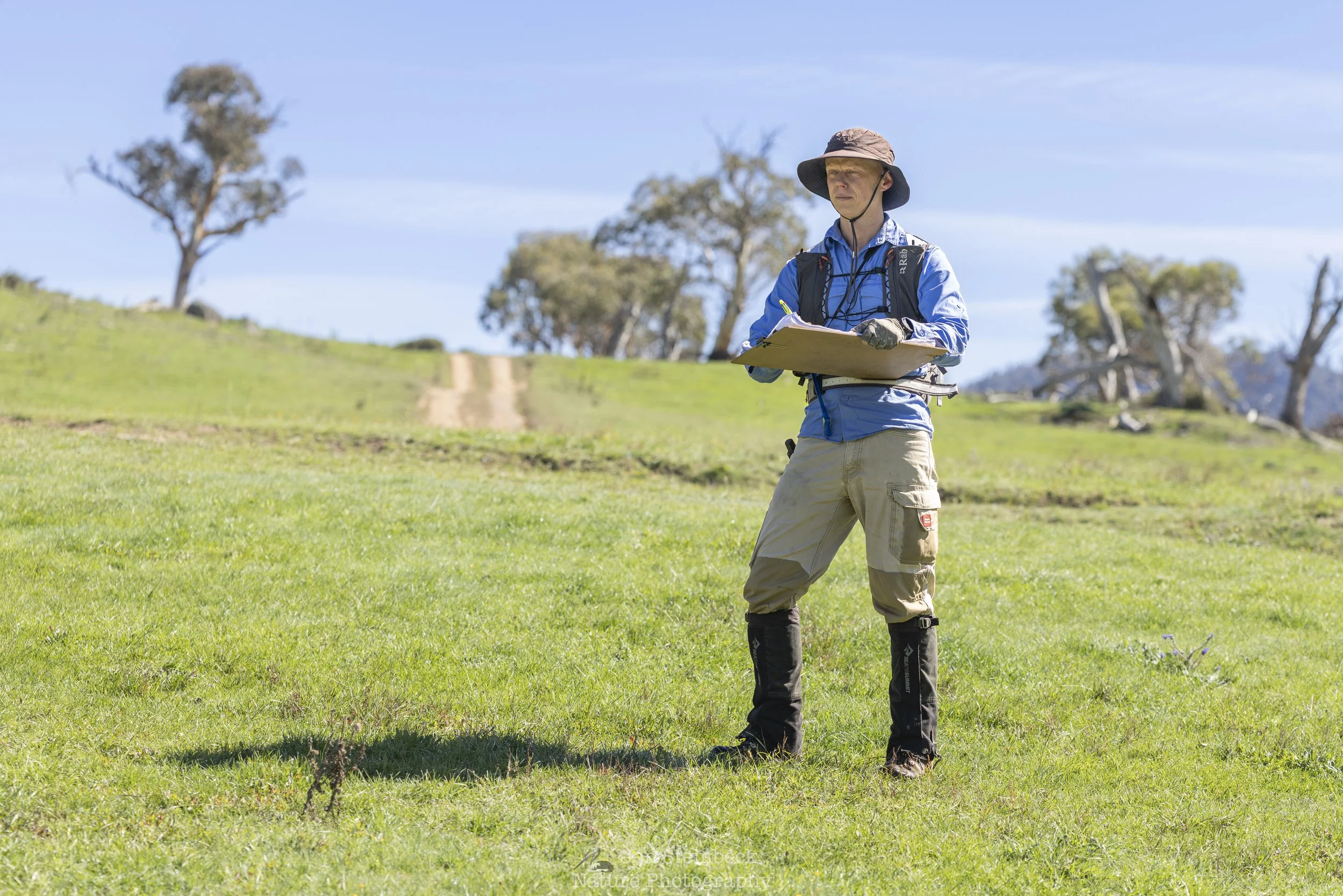
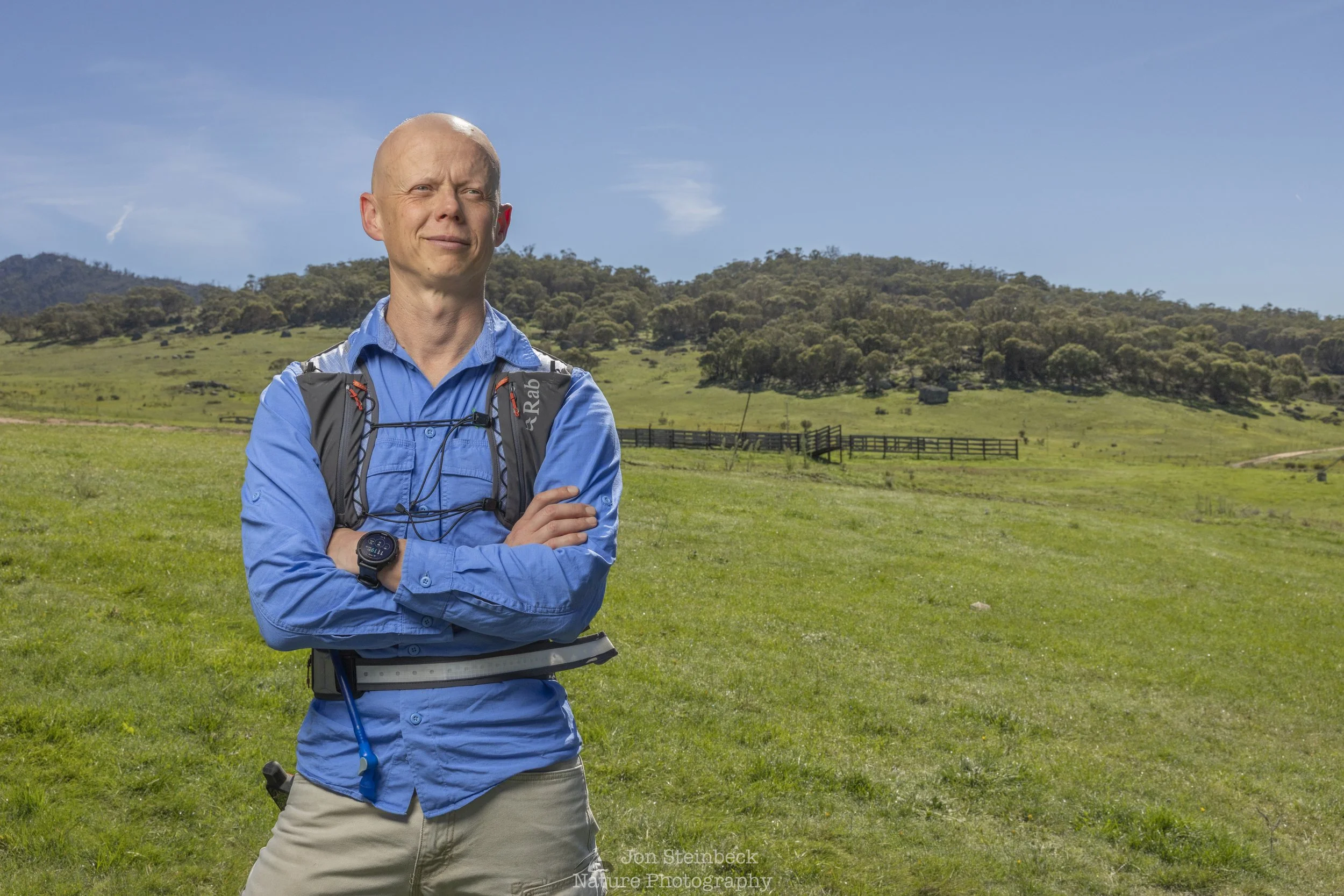
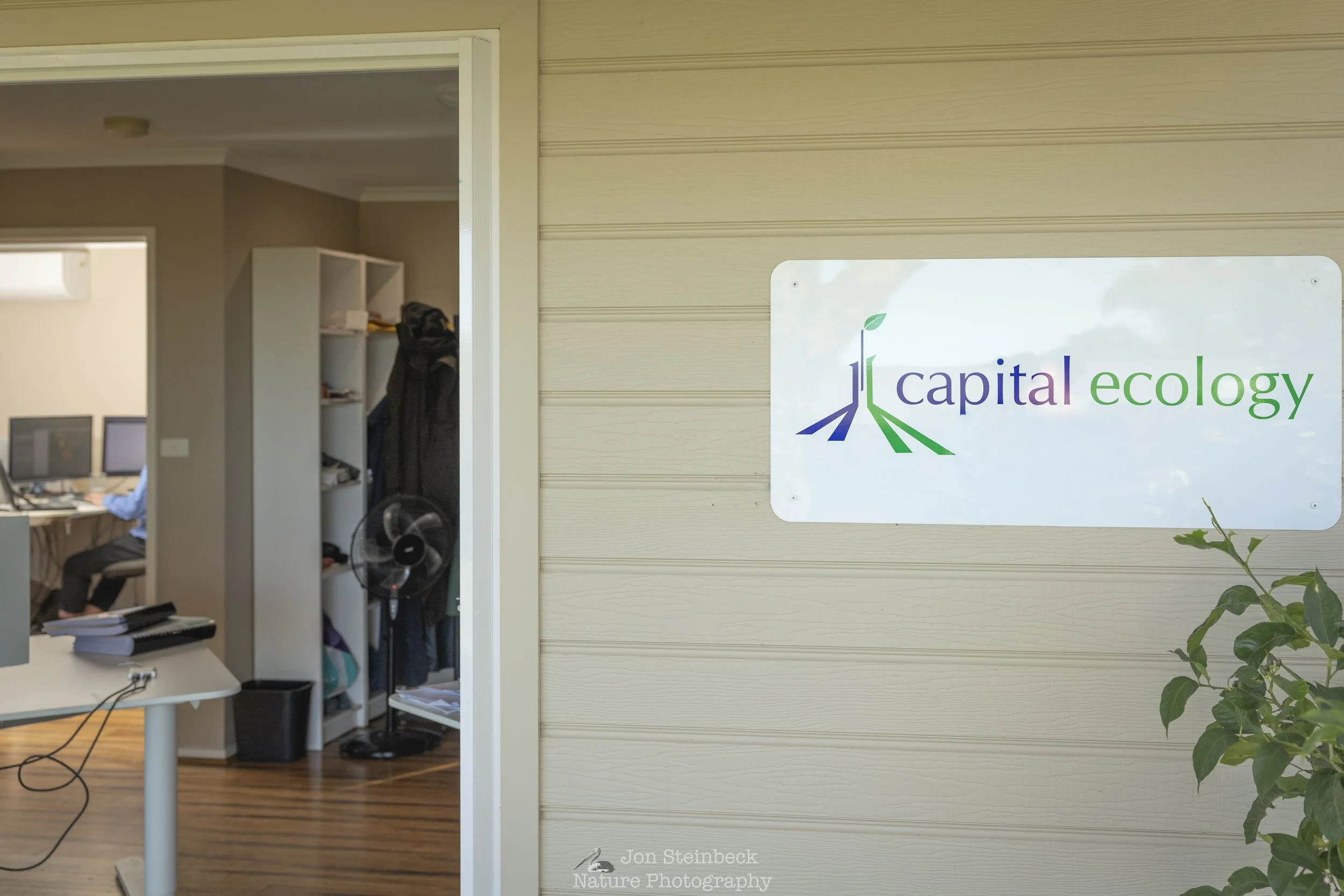
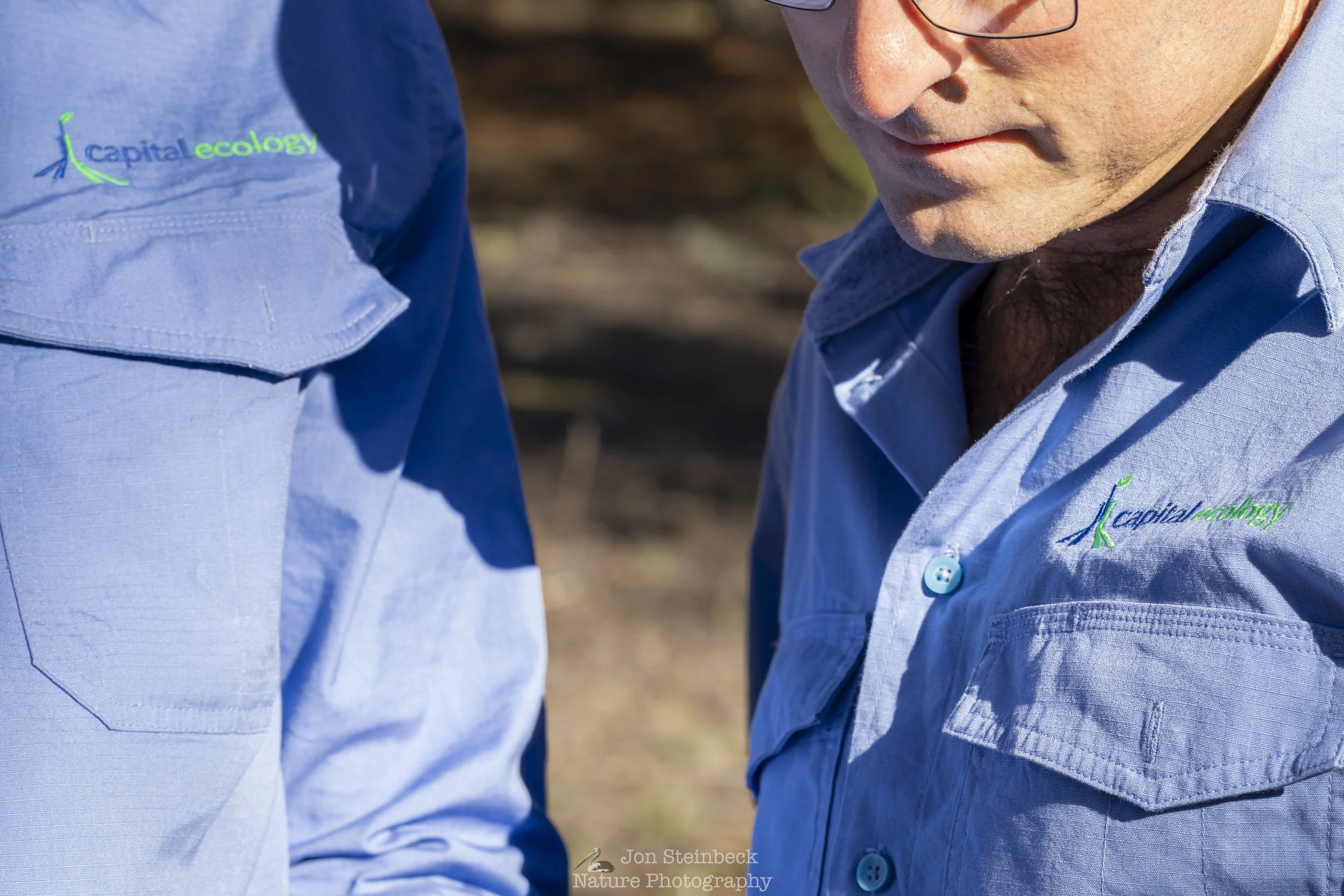
A context shot of the work of Capital Ecology
Canon EOS R5 Mk II with a Canon RF 100mm f/2.8L Macro IS USM [ISO 100, 100mm, f/4.0 and 1/1000])
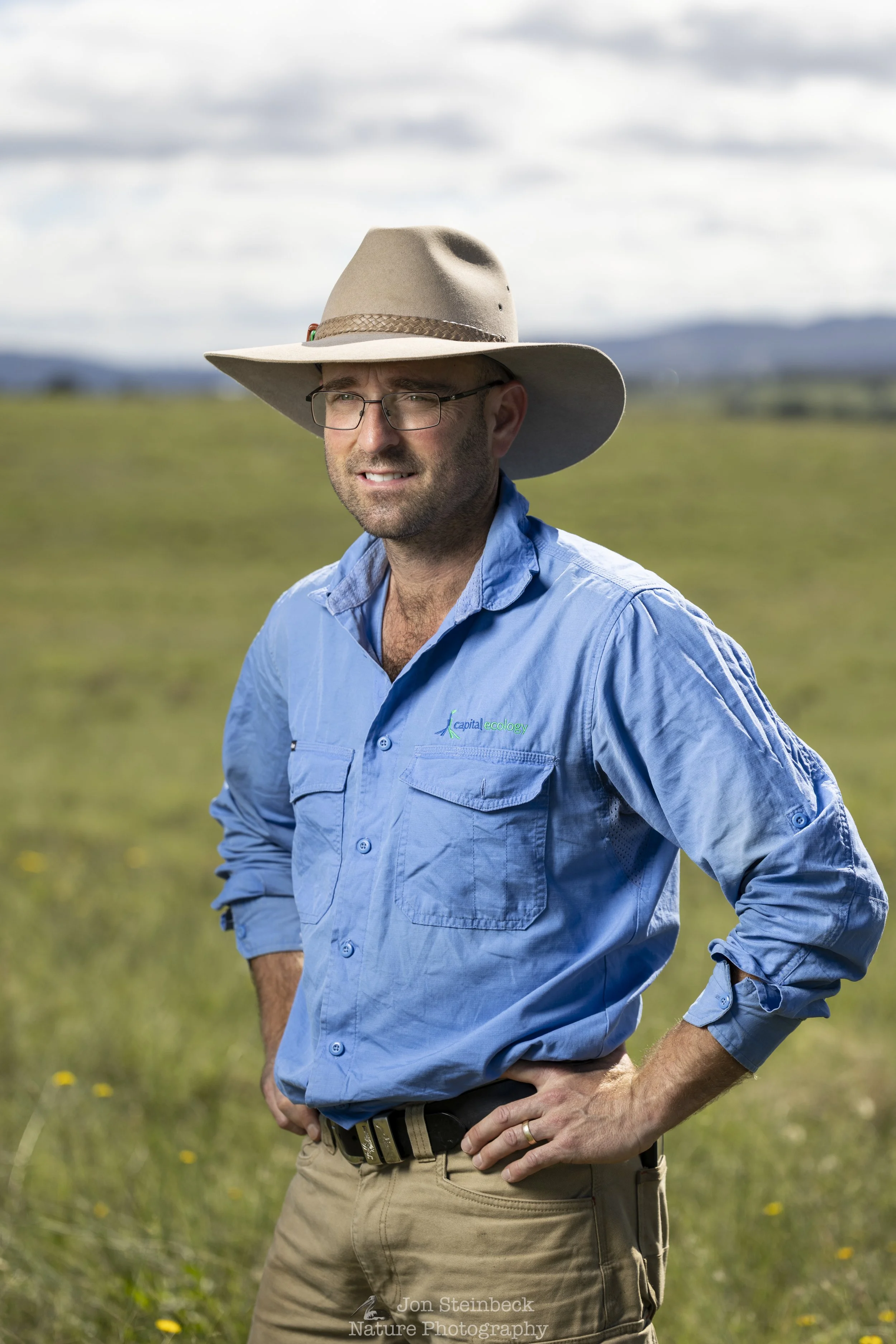
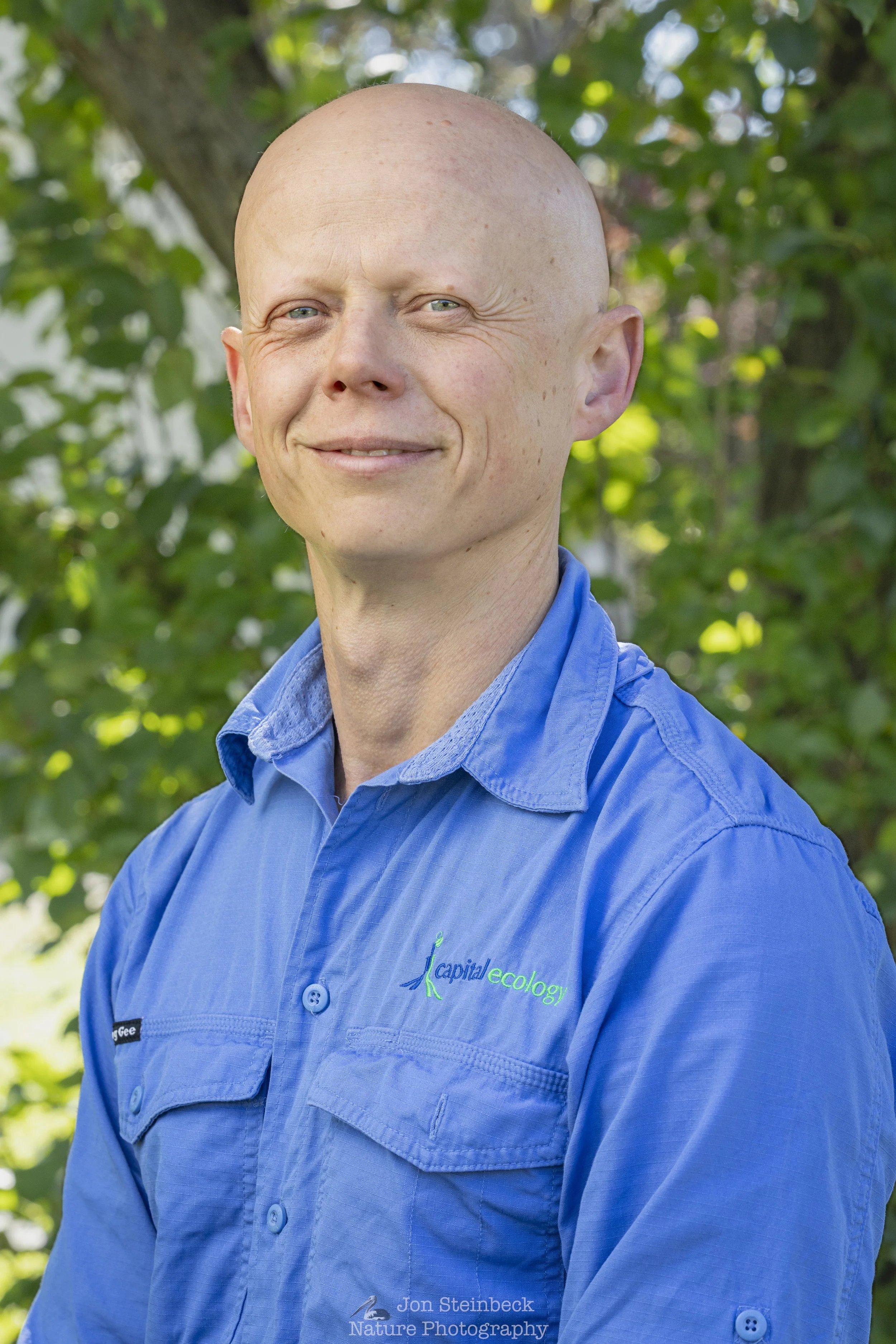
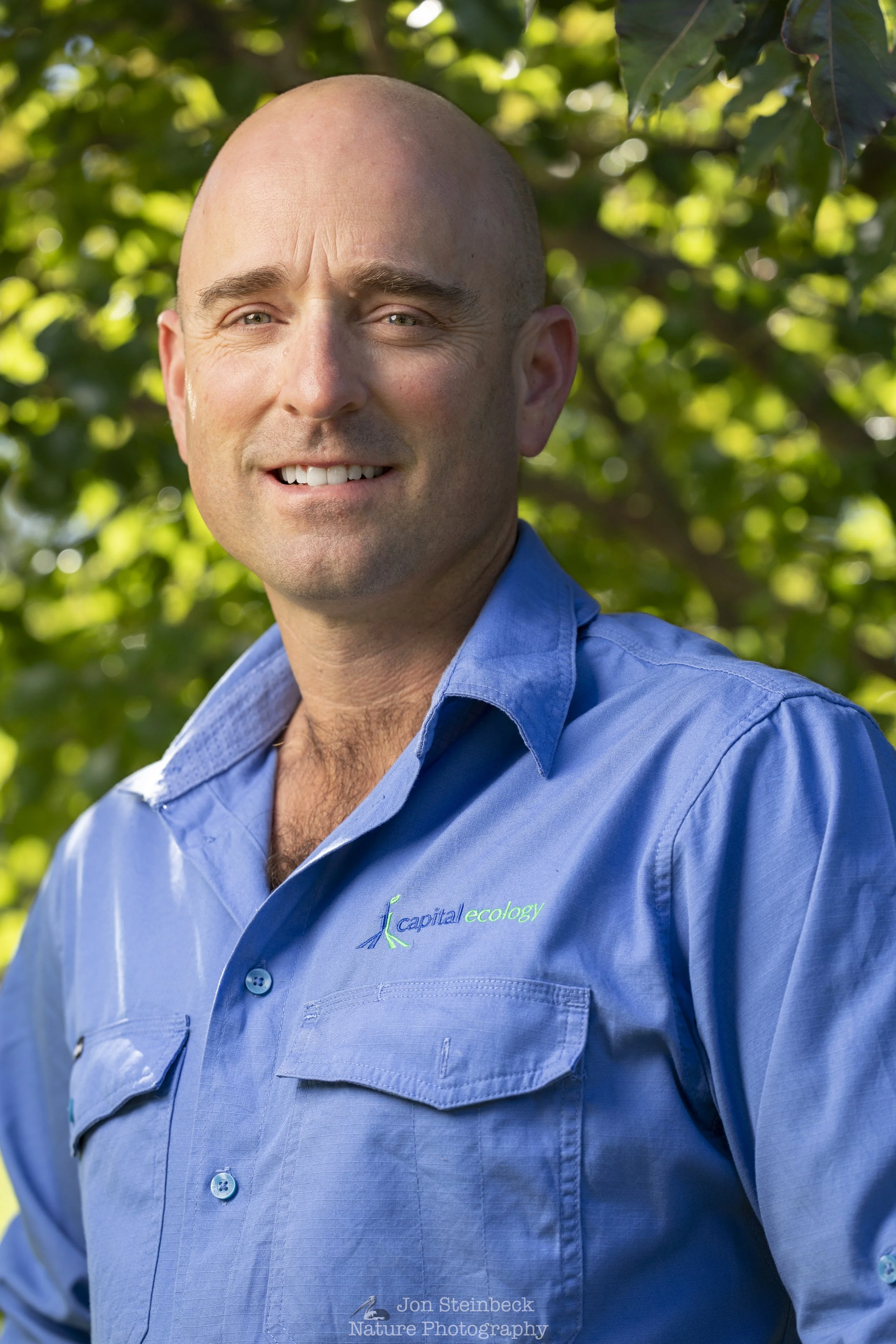
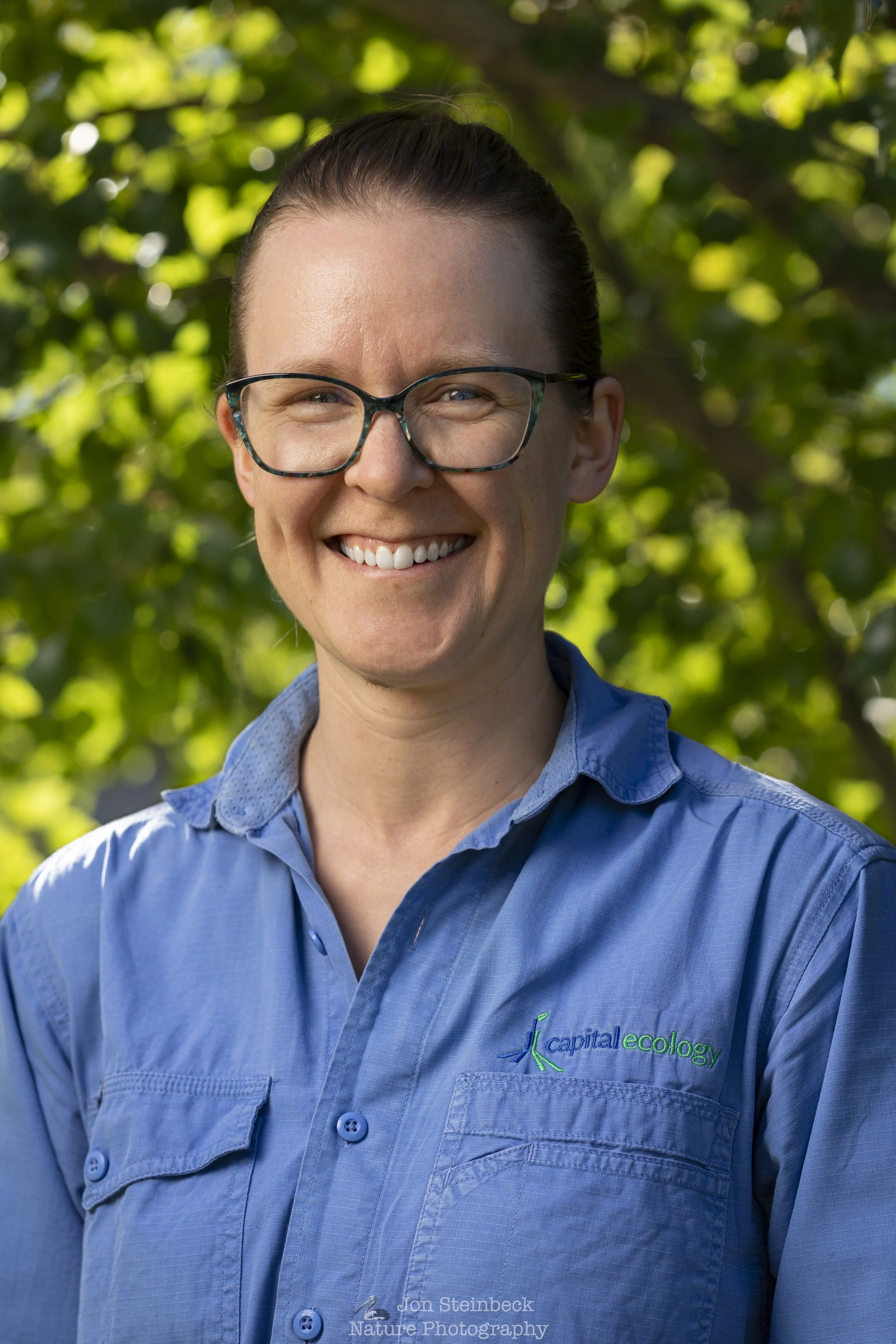
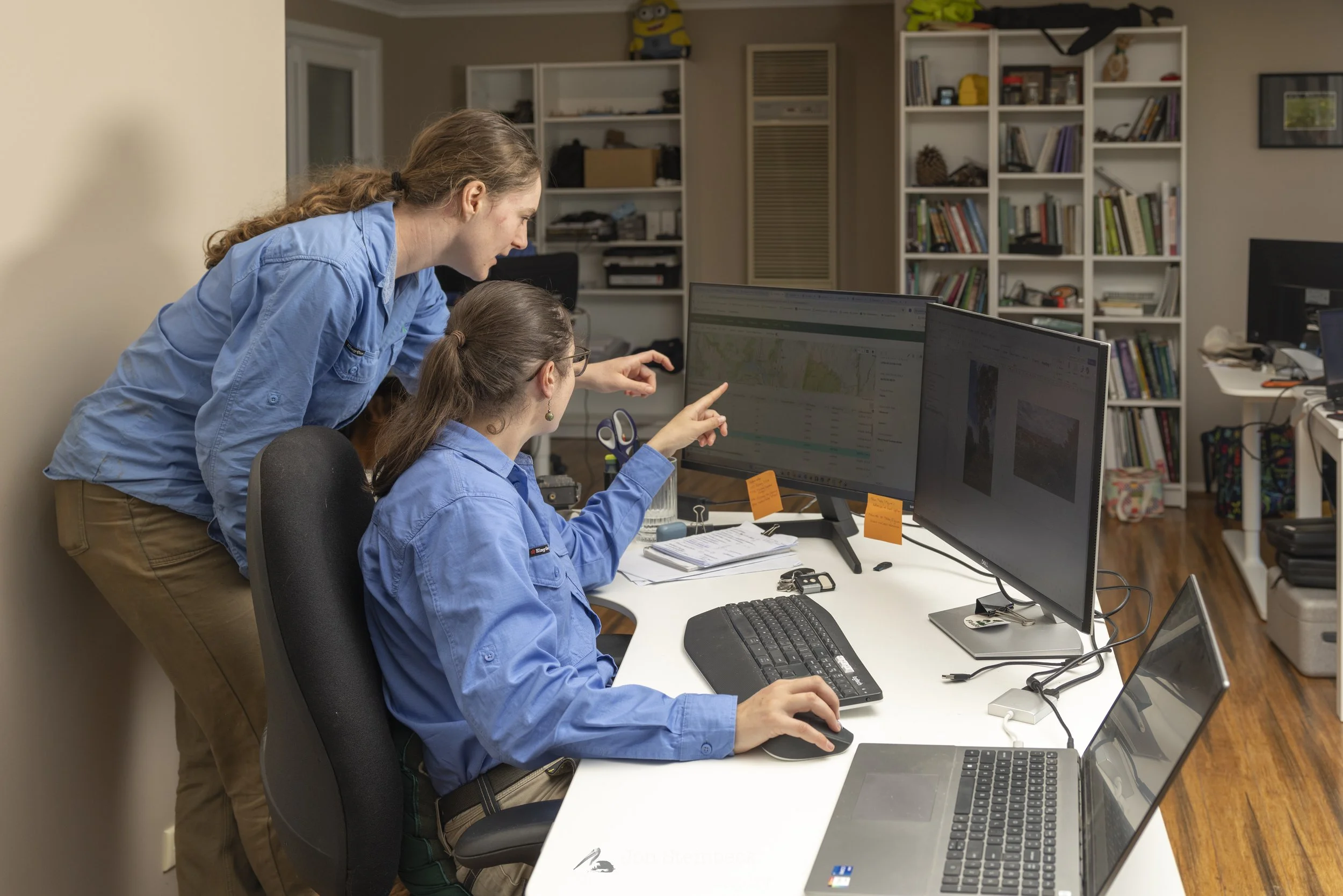
As part of my course at the Canberra Institute of Technology (CIT), I had to complete a branding and media shoot with a local business. For this assessment, I decided that I wanted to find a company that was working with nature, and I was very fortunate that the the company I came across was Capital Ecology. After reaching out to them, Rob, one of the directors, organised so that in late March I had an amazing opportunity to photograph the company at work and to get to know some of the team. It was such a valuable and interesting experience to meet such diligent and wonderful people who have so much knowledge about the natural environment.
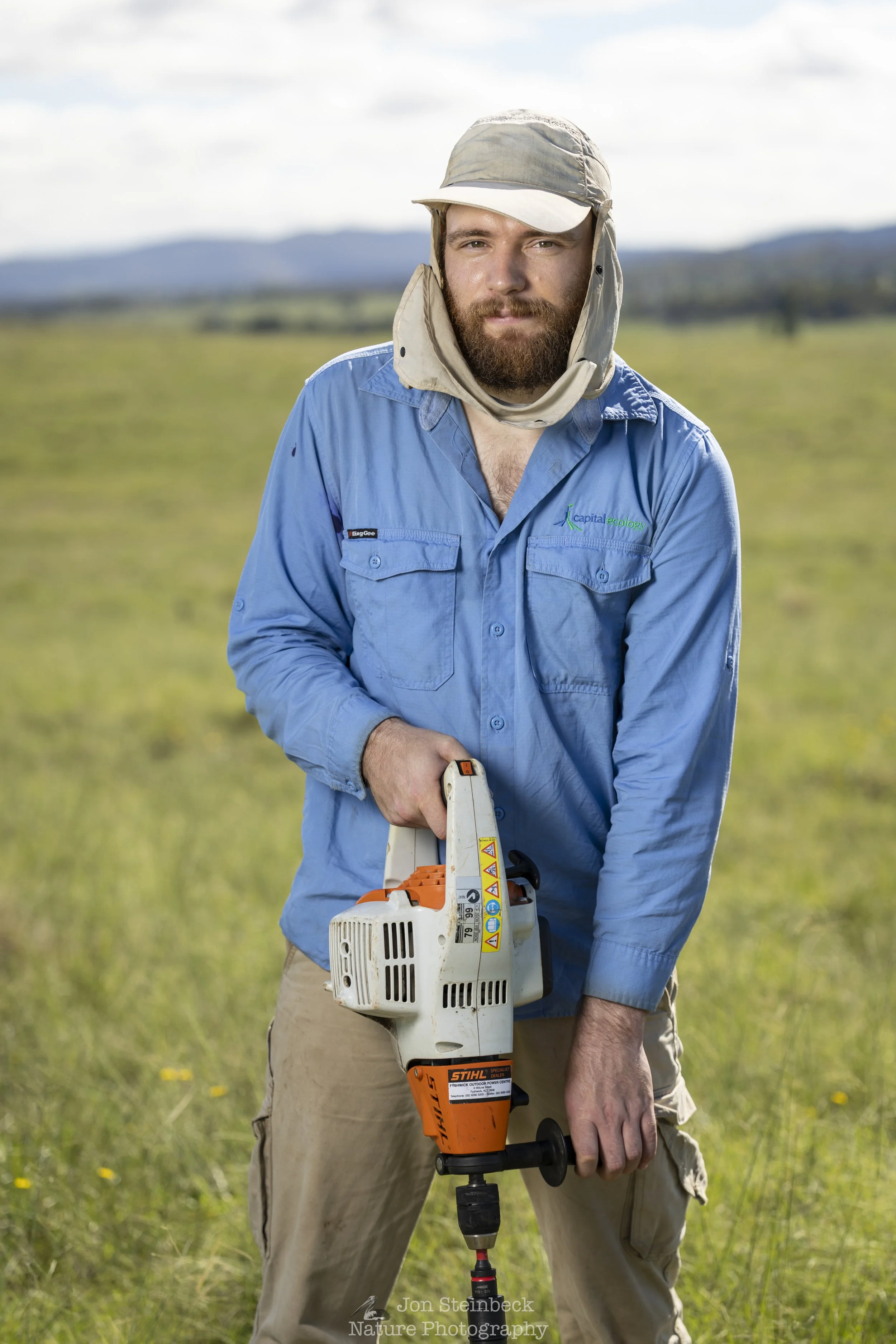
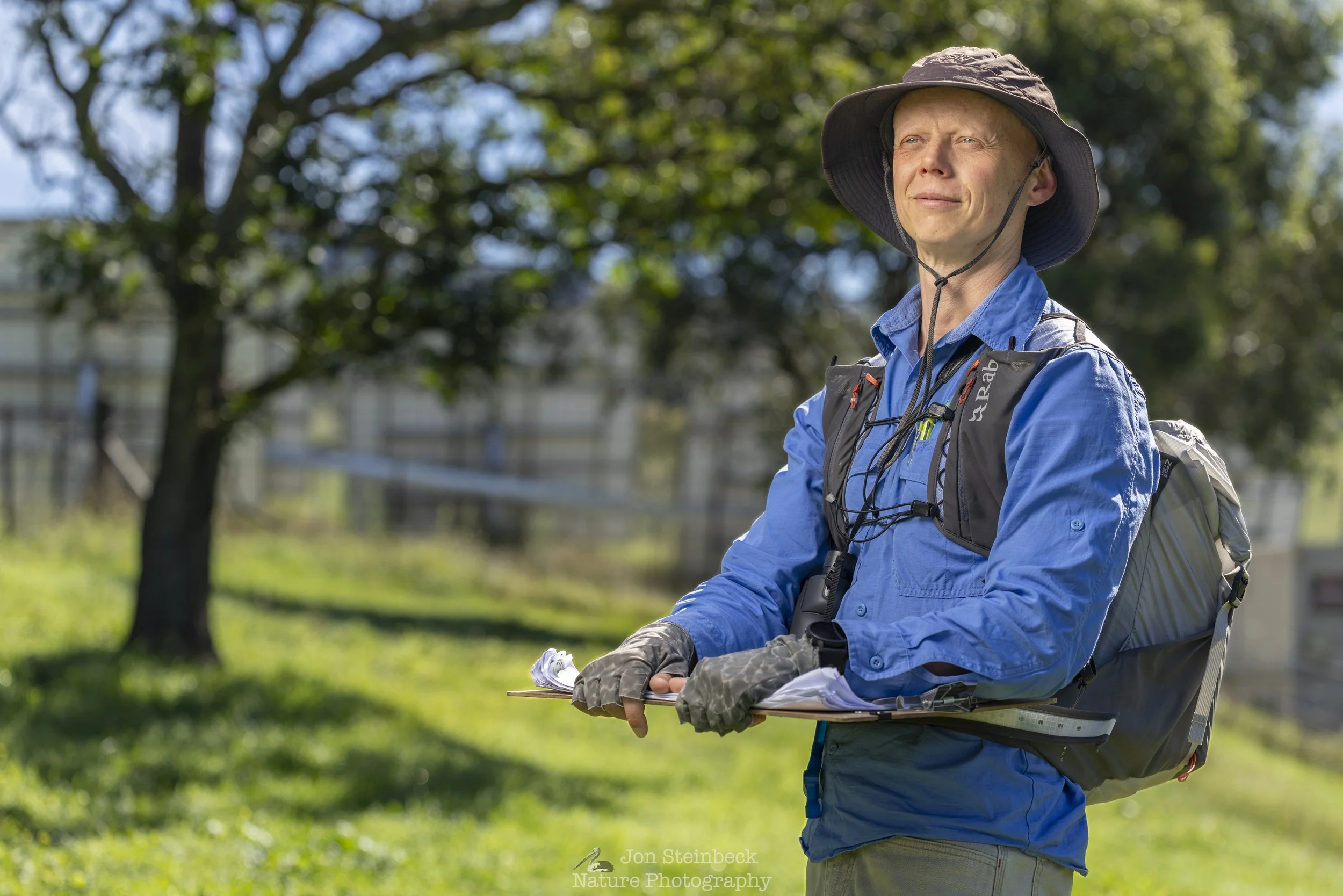
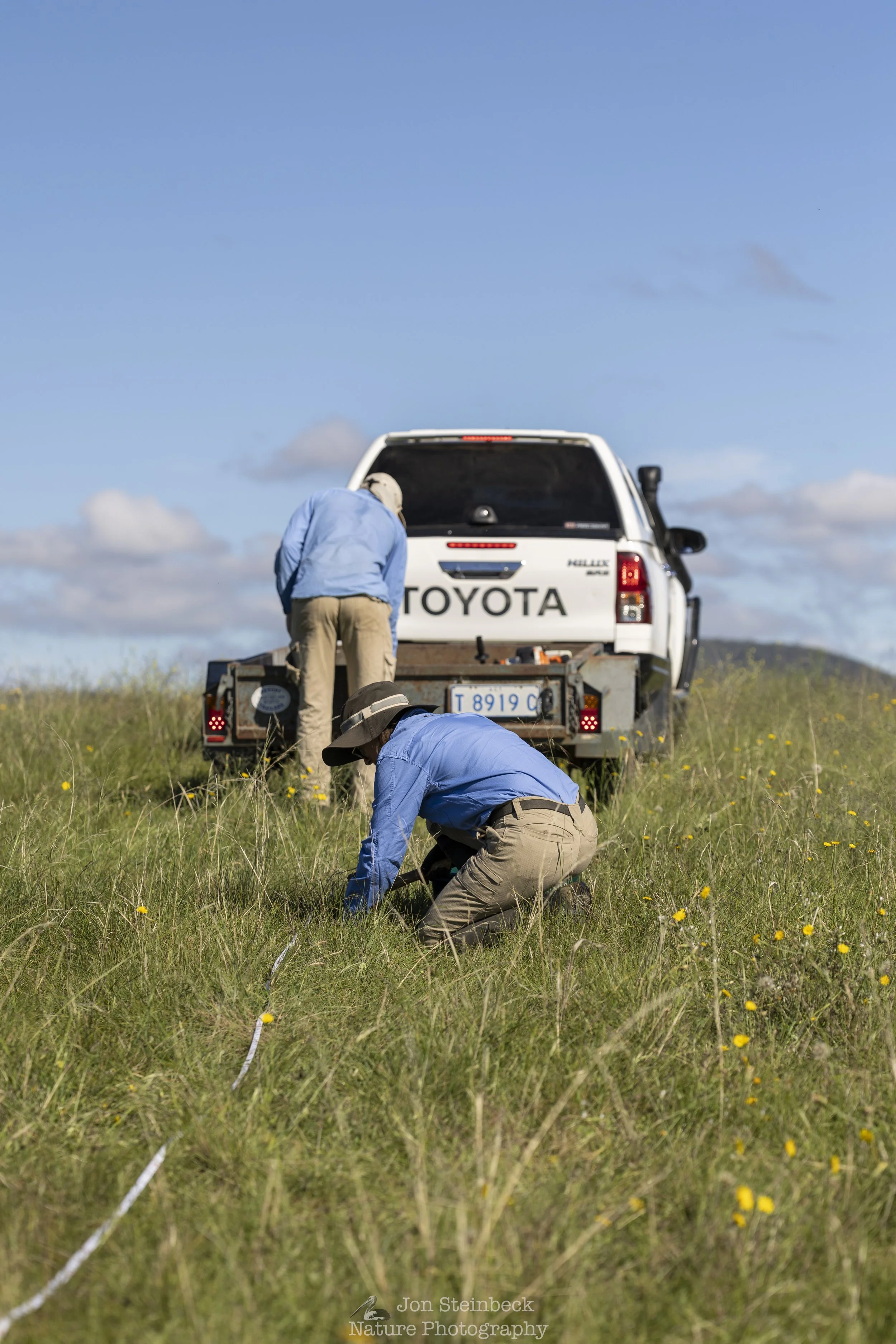
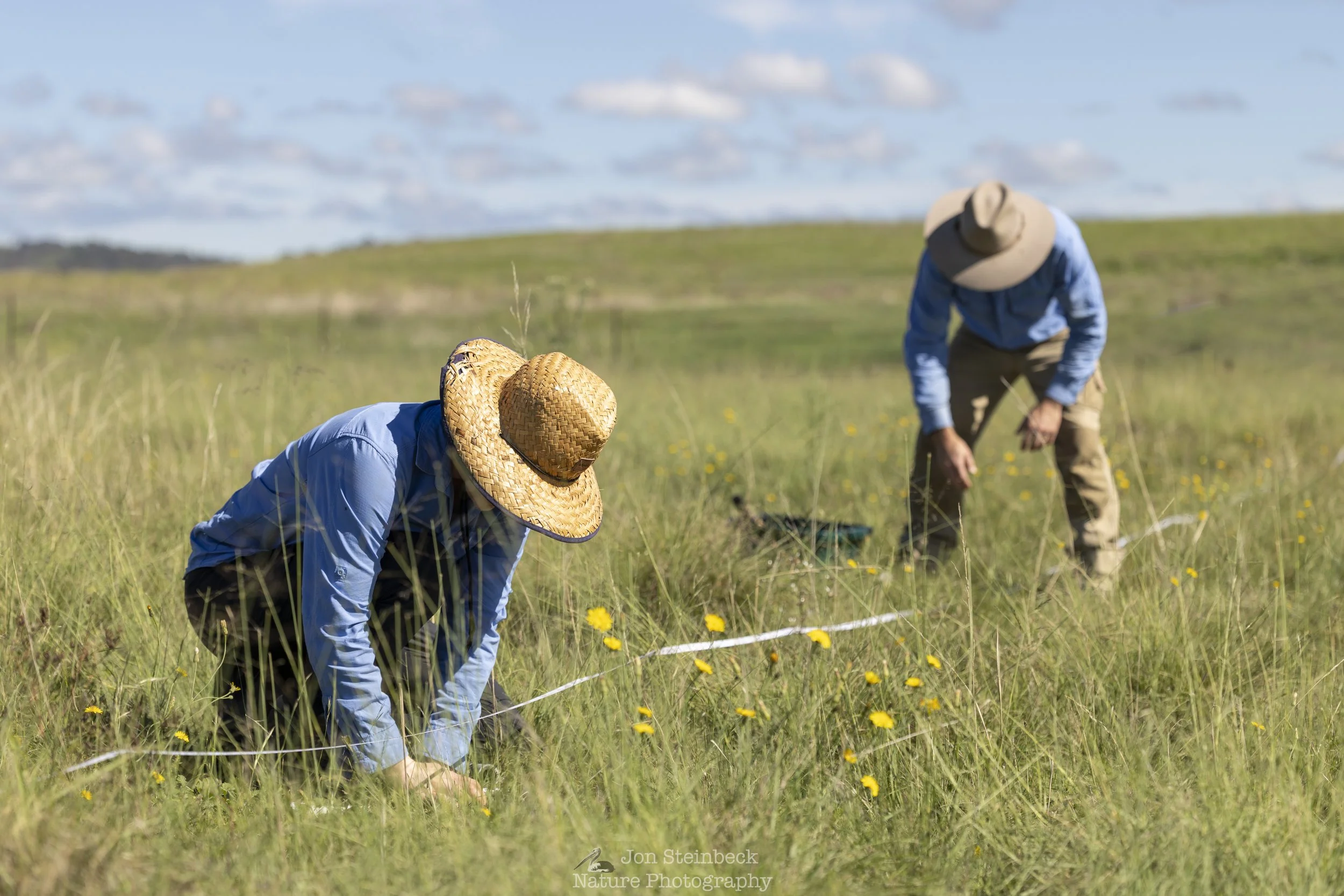
Nothing was a problem for Rob and his team in letting me photograph them. I had a thoroughly interesting morning in an overgrown paddock on the eastern boundary of Canberra where the team was doing a survey ahead of potential work on the site. It was eye-opening for me to understand how they completed their work based on science and also with self-made implements, because there is a very limited market for some of the equipment that they need. Normally, the only approach to use the latest research and hand build the required tools. I also spent a memorable morning with Sam down at Namadgi National Park photographing him in the beautiful environment down there while he was doing a survey task.
The company does a lot of assessments of areas ahead of developments to gain a better understanding of the ecological impact of the planned work. They don’t make the decision on if the development should proceed, they gather the data to ensure that the decision makers have the best understanding of the ecological impacts of the development. It is no exaggeration to say that the team is on the frontline of where ecology is meeting progress. The work of Capital Ecology is very important as governments try to balance growing cities with the need to preserve nature.
Technically, for me, it was also very good experience. I really love using off-camera flash outdoors. I am using a Godox AD300 Pro II with a Godox X3 trigger, which are both really easy to use. At CIT we use a previous version, which is 600 watts but I am so far finding the 300 watts is good enough, although on a sunny day, lighting a group, I suspect it will struggle. I mainly used my Canon RF 100mm f/2.8L Macro IS USM lens to get that crisp and compressed look, although I also took a number of shots with the Canon RF 24-70mm f/2.8L IS USM zoom lens, when I needed a wider framing.
If anybody reading this is in need of an ecological assessment to support research or for development, I can think of no better team to do the work for you.