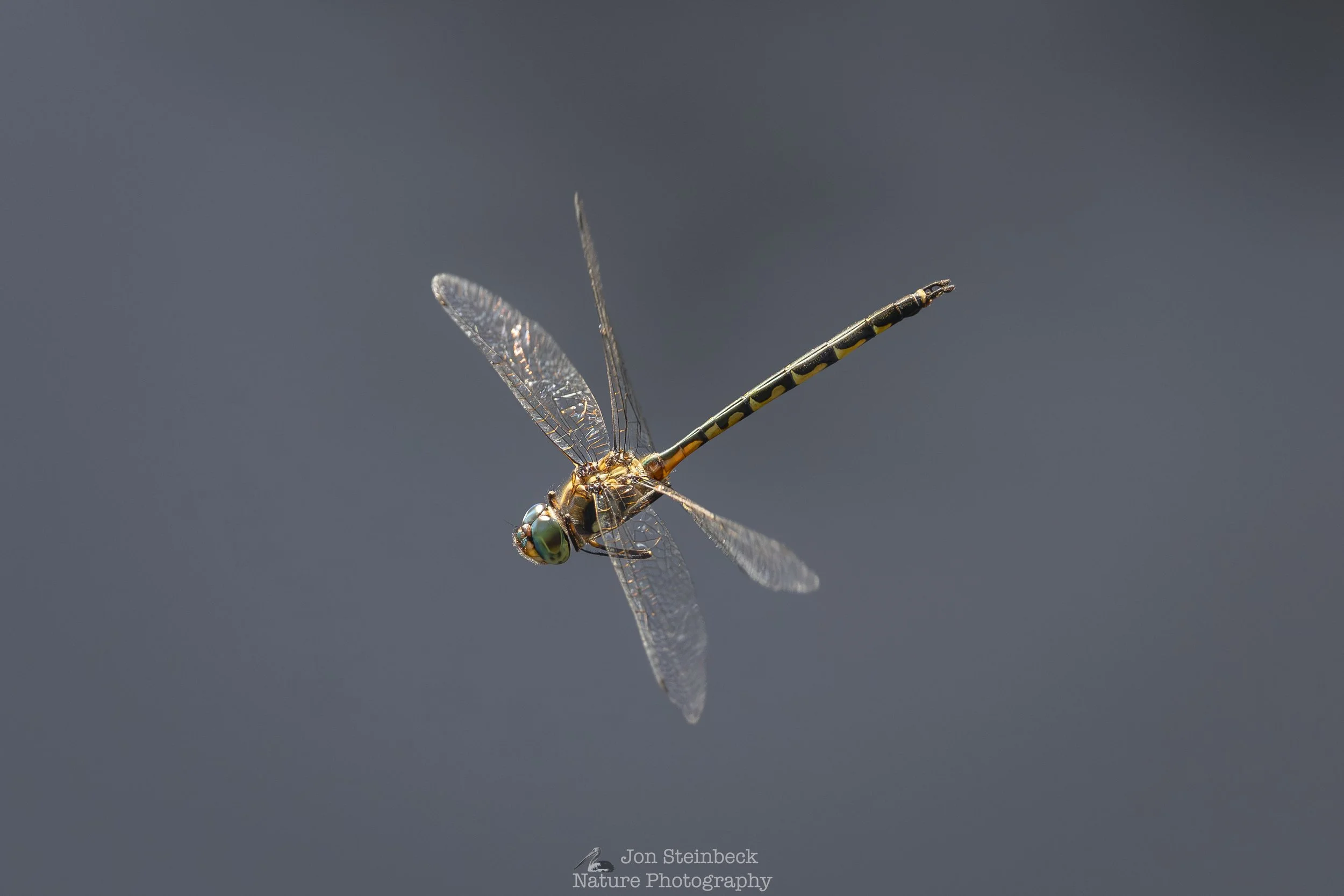
Australian Emerald Dragonfly, emeralds for eyes
Australian Emerald Dragonfly
Canon EOS R1 with a Canon RF 100-500mm f/4.5-7.1 L IS USM Zoom [ISO 6400, 500mm, f/7.1 and 1/4000])
The Australian Emerald Dragonfly (Hemicordulia australiae) is about 5 cm long and is common across much of eastern Australia. The mature adults have amazingly coloured eyes that take up most of the front of their head. These adults are vagrants, so will wander far from where they originated but during the mating season, in summer, the males will patrol an area above still water where there are reeds. The male will await a female to enter his area and attempt to mate with her. If successful the pair will then immediately lay eggs on the stem of the reed just below the surface of the water.
In December 2025, I found a small, still creek behind England Beach, which is just south of Narooma. There were a number of males patrolling their zones and as such, they were always flying. Fortunately, one of them paused in some nice light and I was able to take the photo above, which I think really shows the wonderfully coloured eye of the mature adult. Indeed, some people have suggested that the Australian Emerald got its name from its emerald green eyes. While I couldn’t find anything confirming that assertion, I can see why it is believable. As an aside, it is also known as the Sentry Dragonfly, because it appears to be patrolling its area just as a sentry would.
The species was first described by the French entomologist Jules Rambur in 1842. I was able to find what I think was the original description of this species in the digital collection of the French National Library here https://gallica.bnf.fr/ark:/12148/bpt6k61025298/f168.image.r=australiae# Below, I have included the title page and the original description from page 146 of the monograph. The specimen was from the collection of a Mr Marchal but I couldn’t find out more about him, so I am unsure who collected the animal and how it made its way to France. You may note that it was initially called the Cordulia australiae, not the Hemicordulia australiae, which probably means the species underwent a taxonomic revision at some stage, and the genus name of Hemicordulia is an indication of its relationship to Cordulia.
![Histoire_naturelle_des_insectes___[...]Rambur_Pierre_bpt6k61025298_2.jpeg](https://images.squarespace-cdn.com/content/v1/65d19e3f00c3ea397a232dc4/1782800997337-LT8KXHIVQD81UMMYTCKX/Histoire_naturelle_des_insectes___%5B...%5DRambur_Pierre_bpt6k61025298_2.jpeg)
![Histoire_naturelle_des_insectes___[...]Rambur_Pierre_bpt6k61025298_168.jpeg](https://images.squarespace-cdn.com/content/v1/65d19e3f00c3ea397a232dc4/1782800997689-20EMV420IOCGM1R62O9B/Histoire_naturelle_des_insectes___%5B...%5DRambur_Pierre_bpt6k61025298_168.jpeg)
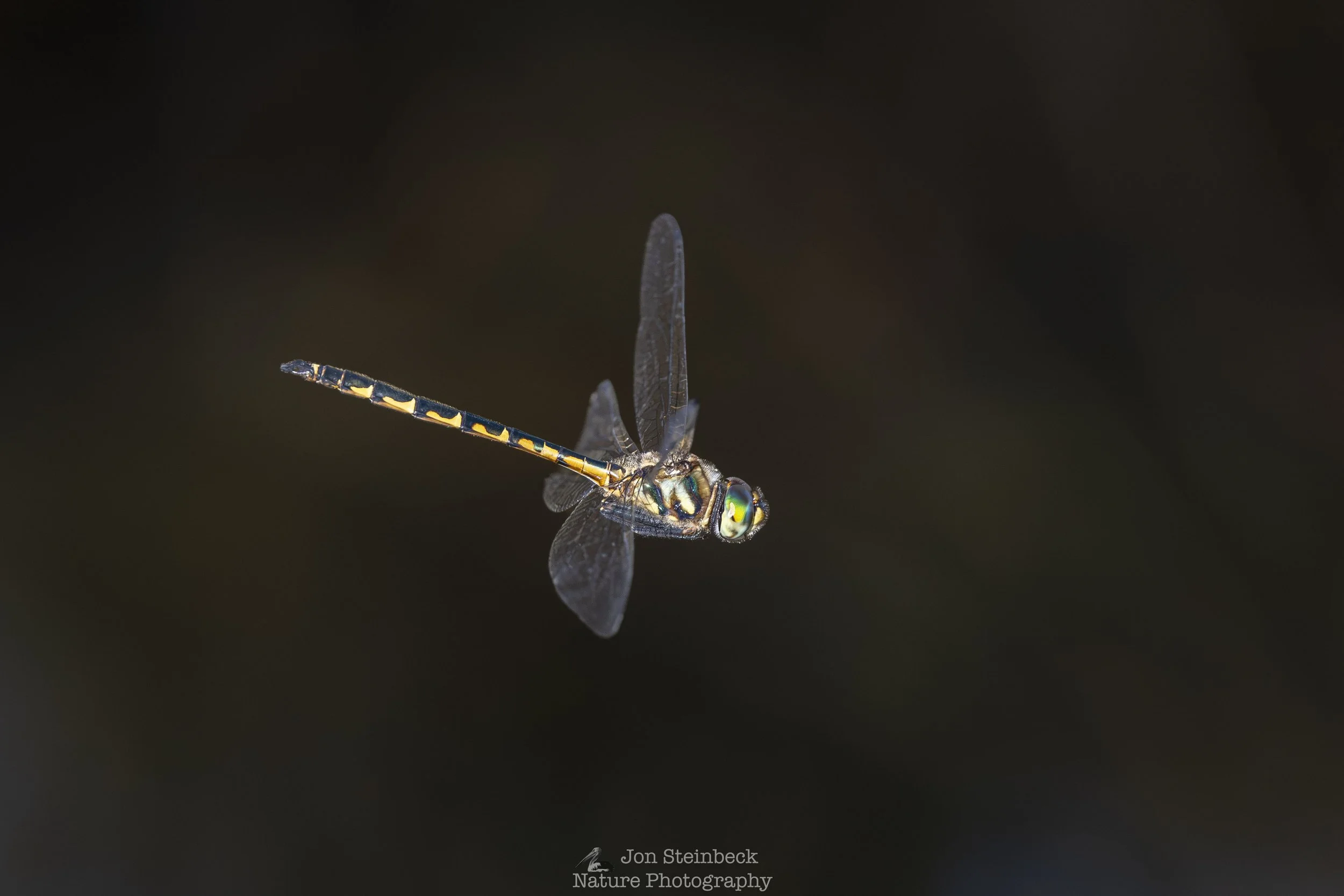
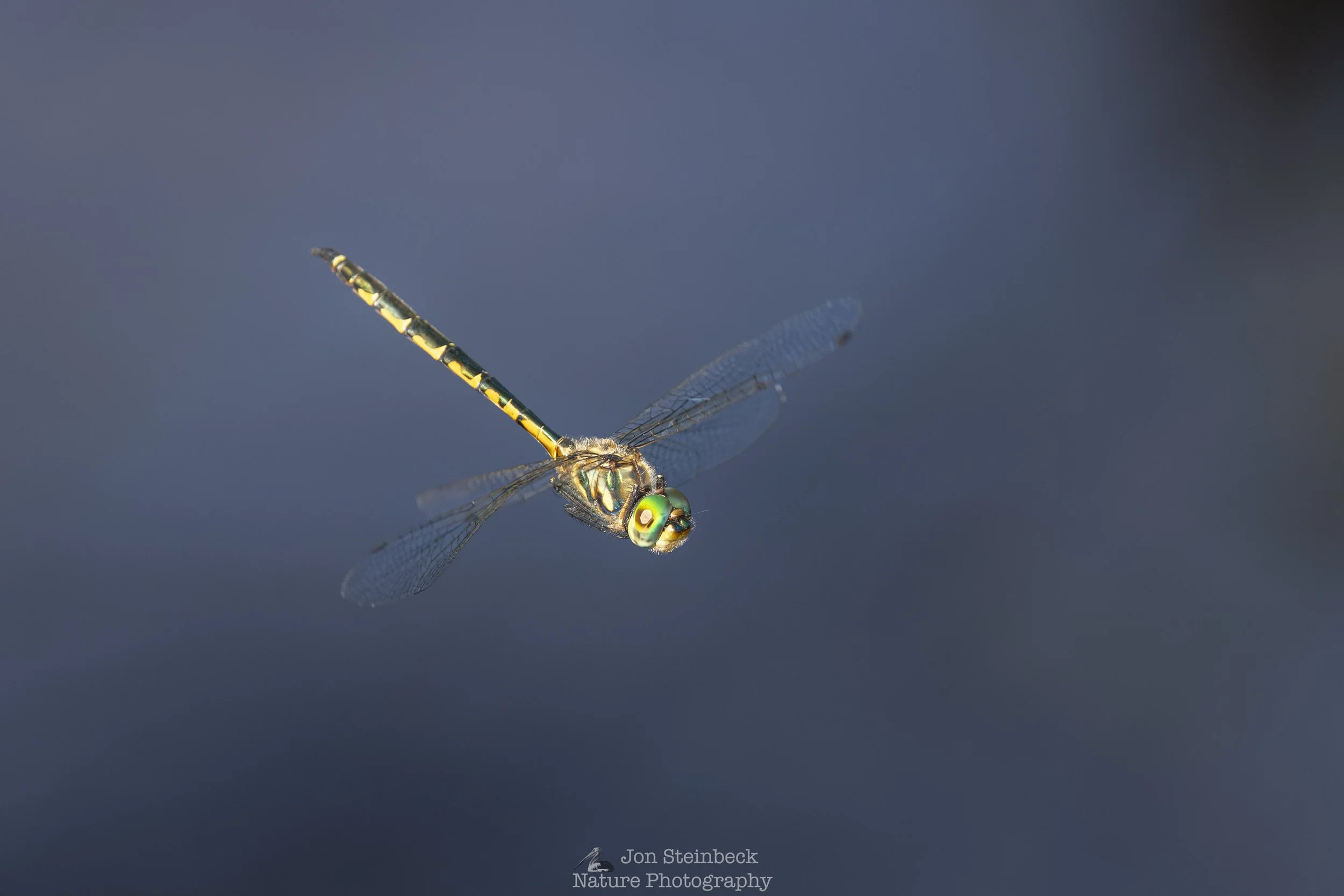
Here are some more photos from the same small creek on that day.